
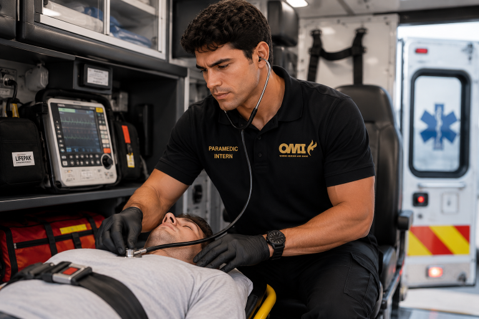
Chest pain, shortness of breath, dizziness, sweating, and a racing heart can occur during both a heart attack and a panic attack. Because the symptoms can be similar, it can be difficult to know what is happening. Understanding the difference between a heart attack vs. panic attack is important, but concerning symptoms should never be dismissed as anxiety without medical evaluation.
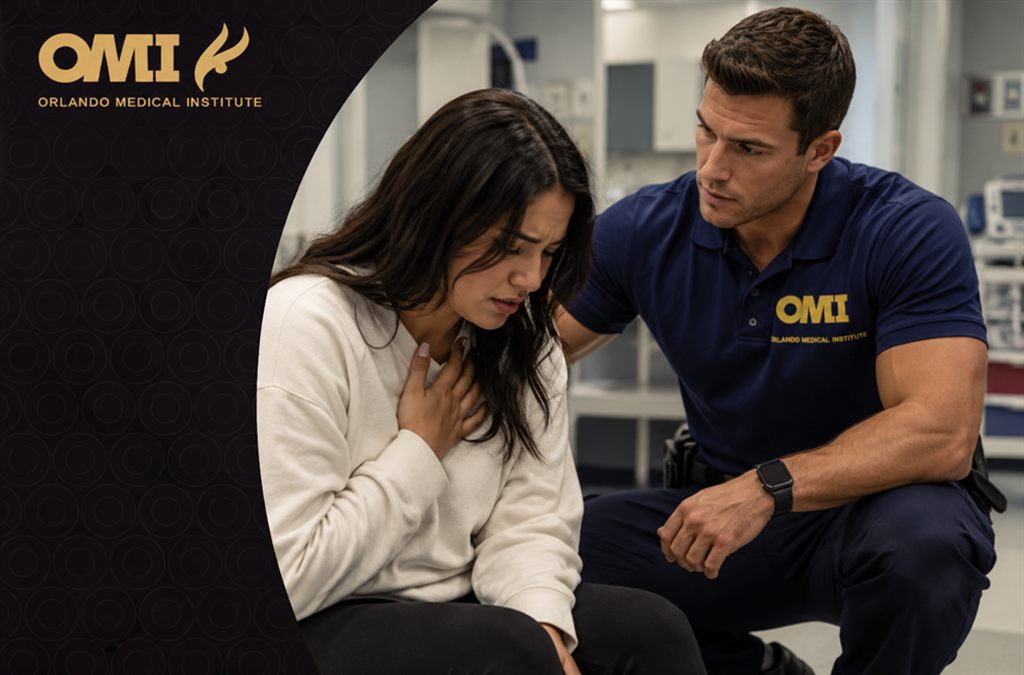
What Is a Heart Attack?
A heart attack occurs when blood flow to part of the heart becomes blocked or severely reduced. Without enough oxygen, the heart muscle can become damaged and requires prompt medical attention.
Common heart attack symptoms include:
- Chest pressure, squeezing, fullness, or pain
- Pain or discomfort in the arm, back, neck, jaw, or stomach
- Shortness of breath
- Cold sweating
- Nausea or vomiting
- Dizziness or lightheadedness
- Unusual fatigue or weakness
Symptoms can vary between individuals. Some people may experience less typical symptoms, particularly women, older adults, and people with diabetes.
What Is a Panic Attack?
A panic attack is a sudden episode of intense fear or discomfort that can cause strong physical symptoms. These symptoms can sometimes feel similar to a serious medical emergency.
Common panic attack symptoms include:
- Racing or pounding heart
- Chest pain or tightness
- Shortness of breath
- Sweating or trembling
- Dizziness
- Tingling or numbness
- Chills or hot flashes
- Nausea
- A feeling of losing control or impending doom
Panic attacks can be extremely intense, but their symptoms can overlap with other medical conditions.
Heart Attack vs. Panic Attack: What Is the Difference?
Both conditions can cause chest pain, rapid heart rate, difficulty breathing, sweating, and dizziness. However, some symptoms are more commonly associated with a heart attack, such as discomfort spreading to the arm, jaw, back, or neck.
Signs More Common in a Heart Attack
- Chest pressure, squeezing, or discomfort
- Pain that may spread to the arm, jaw, back, or neck
- Shortness of breath
- Cold sweating
- Nausea or vomiting
- Lightheadedness
Signs More Common in a Panic Attack
- Chest pain or tightness
- Racing or pounding heart
- Shortness of breath
- Sweating or trembling
- Dizziness or tingling
- Intense fear or a feeling of losing control
This comparison cannot determine the cause of someone’s symptoms. When chest pain or other serious symptoms are new, severe, or concerning, calling 911 is the safest choice.
Why EMTs Need to Recognize These Symptoms
Recognizing the signs of medical emergencies is an important part of EMT training. EMTs may encounter patients experiencing chest pain, difficulty breathing, dizziness, or other symptoms that require quick assessment and appropriate care.
EMTs learn how to evaluate patients, recognize potential emergencies, provide appropriate interventions, monitor changes in condition, and communicate important information to healthcare professionals.
This type of decision-making is why EMT education combines classroom learning with practical experience.
EMT Training at Orlando Medical Institute
For students interested in becoming an EMT in Orlando, Florida, Orlando Medical Institute offers an Emergency Medical Technician program designed to provide comprehensive training in emergency medical care.
Students learn through:
- Classroom instruction
- Laboratory exercises
- Hands-on training
- High-fidelity simulations
- Clinical rotations
- Real-world field experience
The program includes 300 total hours, with:
- 176 hours of classroom instruction
- 52 hours of lab training
- 72 hours of hands-on training
OMI also uses a flipped classroom model. Students complete core learning materials at home at their own pace, while classroom time focuses on interactive activities, practical application, and instructor feedback.
EMT Program Requirements and Schedule
Applicants must:
- Be at least 18 years old
- Have a high school diploma or GED
- Provide a valid Social Security card
- Provide a valid driver’s license or government-issued photo ID
- Complete the DAX admissions assessment
OMI offers day, evening, and weekend scheduling options:
- Day Classes: Monday, Wednesday, and Thursday, 9:00 a.m. to 1:00 p.m.
- Night Classes: Monday, Wednesday, and Thursday, 6:00 p.m. to 10:00 p.m.
- Friday and Saturday: Friday, 6:00 p.m. to 10:00 p.m., and Saturday, 9:00 a.m. to 6:00 p.m.
Additional clinical compliance requirements must be completed after enrollment before students begin clinical rotations.
Start Your EMT Education in Orlando
Learning how to recognize symptoms such as chest pain, shortness of breath, and dizziness is an important part of preparing for a career in emergency medical services. At Orlando Medical Institute, students develop these skills through a combination of classroom education, hands-on practice, simulations, clinical rotations, and field experience.
Upon successful completion of the program, students will be eligible to take examinations for certification as a Florida State Emergency Medical Technician (EMT) and Nationally Registered EMT.
If you are interested in EMT training in Orlando, Florida, fill out the contact form to connect with an Orlando Medical Institute advisor and learn more about the program, admissions, and available schedules.
