
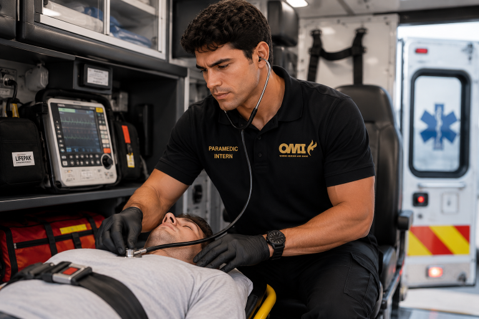
A spinal injury can happen during a car accident, fall, sports injury, workplace accident, or other traumatic event. Because injuries to the spine can potentially affect the spinal cord
and cause permanent complications, knowing what to do in an emergency is important.
If you suspect someone has a spinal injury, the most important steps are to keep the person as still as possible, avoid unnecessary movement, and get emergency medical help
immediately. Proper emergency response can help prevent an existing injury from becoming worse while professional medical care is on the way.
For aspiring Emergency Medical Technicians (EMTs), understanding how to recognize and respond to potential spinal injuries is an important part of emergency medical education.
What Is a Spinal Injury?
The spine is made up of individual bones called vertebrae that protect the spinal cord. The spinal cord is a major part of the nervous system and carries signals between the brain and the rest of the body.
A spinal injury can involve damage to the vertebrae, spinal cord, or surrounding tissues. Some spinal injuries are immediately obvious, while others may not have clear symptoms at first.
Potential causes of spinal injuries include:
- Motor vehicle accidents
- Falls from significant heights
- Sports injuries
- Bicycle or motorcycle accidents
- Workplace accidents
- Physical trauma
- Diving accidents
- Severe blows to the head, neck, or back
Because it is not always possible to determine the severity of a spinal injury at the scene, it is important to treat a person as though they may have a serious spinal injury when the circumstances suggest one.
Signs and Symptoms of a Spinal Injury
Recognizing possible signs of a spinal injury is an important part of emergency response. Someone with a potential spinal injury may experience:
- Severe neck or back pain
- Tingling or numbness
- Weakness in the arms or legs
- Difficulty moving the arms or legs
- Loss of sensation
- Problems with balance or coordination
- Difficulty breathing
- Loss of bladder or bowel control
- An unusual position of the head or neck
- Loss of consciousness
A person may not experience every symptom. In some cases, they may appear alert and able to communicate even though a serious injury has occurred.
This is why the circumstances surrounding the incident are also important when determining whether a spinal injury may have occurred.
What to Do If Someone Has a Suspected Spinal Injury
If you believe someone may have a spinal injury, take the situation seriously and focus on keeping the person safe until emergency medical professionals arrive.
1. Call 911
The first step is to activate emergency medical services. Call 911 and explain what happened, where the person is located, and any symptoms you observe.
Follow the dispatcher’s instructions while waiting for emergency responders.
2. Do Not Move the Person Unnecessarily
Avoid moving someone with a suspected spinal injury unless there is an immediate danger that requires you to move them.
For example, if the person is in a vehicle that is not currently safe, exposed to fire, or facing another immediate threat, emergency responders may need to determine the safest way to remove them.
Unnecessary movement can potentially worsen an injury to the spine or spinal cord.
3. Keep the Head and Neck as Still as Possible
If it is safe to do so, encourage the person to remain still. Do not ask them to turn their head, sit up, stand, or walk.
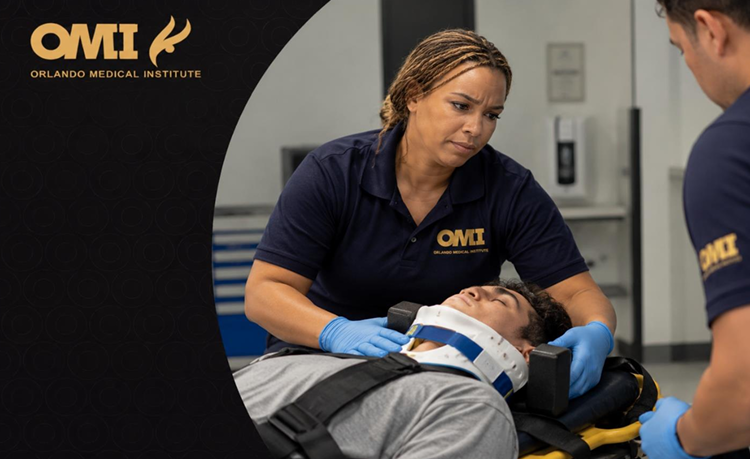
You can use your hands to help stabilize the person’s head in the position you found them while waiting for trained emergency responders. Do not force the head or neck into a different position.
4. Monitor Breathing and Responsiveness
Continue observing the person while waiting for emergency medical services.
Pay attention to whether they are:
- Breathing normally
- Responsive and able to communicate
- Becoming less responsive
- Experiencing changes in their condition
If the person is not breathing normally or becomes unresponsive, follow the 911 dispatcher’s instructions. Emergency responders can provide guidance on CPR or other life-saving measures.
5. Do Not Give Food or Drink
Avoid giving food, water, or medication to someone with a suspected serious spinal injury unless directed by a medical professional.
The person may require emergency procedures or treatment that could make eating or drinking unsafe.
6. Reassure the Person
A suspected spinal injury can be frightening. Stay calm and reassure the person while waiting for help.
Tell them that emergency medical services are on the way and encourage them to remain as still as possible.
Your calm response can help reduce unnecessary movement and keep the person from attempting to stand or walk.
What Not to Do for a Suspected Spinal Injury
Knowing what not to do is just as important as knowing what to do.
If you suspect a spinal injury, avoid:
- Moving the person unnecessarily
- Asking the person to stand or walk
- Twisting or straightening the neck
- Trying to reposition the person’s spine
- Removing a helmet unless necessary for immediate life-saving care
- Giving food or drinks
- Leaving the person alone
The appropriate response can depend on the circumstances of the emergency. When in doubt, call 911 and follow the instructions provided by emergency dispatchers.
When Should You Suspect a Spinal Injury?
A spinal injury should be considered after significant trauma, especially when the mechanism of injury could have affected the head, neck, or back.
For example, someone involved in a high-impact car accident may have a spinal injury even if they say they feel fine. Similarly, a person who falls from a significant height may require evaluation for injuries that are not immediately obvious.
Emergency medical professionals are trained to evaluate the circumstances, assess the patient, identify potential injuries, and determine the appropriate course of care.
How EMTs Respond to Spinal Injuries
Emergency Medical Technicians play an important role in the initial assessment and treatment of patients with traumatic injuries.
When EMTs arrive at a scene, they must first consider the safety of the environment. They then assess the patient and look for signs of potentially serious injuries.
Depending on the situation, EMTs may evaluate:
- The patient’s level of consciousness
- Airway and breathing
- Circulation
- Neurological function
- Sensation and movement
- Signs of trauma
- The mechanism of injury
- Changes in the patient’s condition
EMTs also communicate with other emergency responders and healthcare professionals to coordinate patient care and transportation.
The exact treatment and movement of a patient depends on the patient’s condition, the nature of the injury, current protocols, and the resources available at the scene.
Why Spinal Injury Response Is Important for EMTs
Responding to traumatic injuries requires more than memorizing emergency procedures. EMTs must be able to assess a situation, recognize potential risks, communicate effectively, and make informed decisions under pressure.
Spinal injuries are one example of why comprehensive EMT education is important.
Students preparing for an EMT career learn how to recognize signs and symptoms of illness and injury and develop the skills needed to provide appropriate emergency medical interventions. Hands-on training allows students to practice applying their knowledge in realistic scenarios.
For aspiring EMTs, learning how to respond to potential spinal injuries can be an important part of developing confidence in emergency situations.
EMT Training at Orlando Medical Institute
For students interested in becoming an EMT in Orlando, Orlando Medical Institute offers an Emergency Medical Technician program designed to prepare students for the demands of emergency medical services.
The program is taught by experienced and highly qualified instructors who are committed to helping students understand the principles and practices of emergency medical care.
Students receive training in multiple learning environments, including:
- Classroom instruction
- Laboratory exercises
- Hands-on skills training
- High-fidelity simulations
- Clinical rotations
- Real-world field experience
This combination provides students with opportunities to build both theoretical knowledge and practical emergency response skills.
The Orlando Medical Institute EMT program includes 300 total hours of training:
- 176 hours of classroom instruction
- 52 hours of laboratory training
- 72 hours of hands-on training
A Hands-On Approach to EMT Education
Orlando Medical Institute uses a flipped classroom model as part of its EMT program. Students can engage with core educational material through at-home learning modules before using classroom time for interactive and application-based activities.
This approach gives students opportunities to reinforce what they learn through practical exercises and instructor guidance.
For emergency medical education, hands-on learning is particularly valuable. EMTs need to know how to apply their knowledge in situations that can change quickly.
Through classroom instruction, laboratory exercises, simulations, clinical rotations, and field experience, Orlando Medical Institute helps students develop the knowledge and skills needed to pursue a career in emergency medical services.
EMT Program Requirements at Orlando Medical Institute
Students interested in enrolling in the EMT program at Orlando Medical Institute must meet the program’s admission requirements.
Applicants must:
- Be 18 years of age or older
- Have a high school diploma or GED
- Provide a valid Social Security card
- Provide a valid driver’s license or government-issued photo ID
- Complete the required admissions assessment, DAX
Before beginning clinical rotations, students must also complete applicable clinical compliance requirements. These may include health and immunization records, required testing, a physical examination, and a background check.
Flexible EMT Training Schedules in Orlando
Orlando Medical Institute offers several EMT class schedules to accommodate different student needs.
Schedule Type I
Monday, Wednesday, and Thursday
9:00 a.m. to 1:00 p.m.
Schedule Type II
Monday, Wednesday, and Thursday
6:00 p.m. to 10:00 p.m.
Schedule Type III
Friday, 6:00 p.m. to 10:00 p.m.
Saturday, 9:00 a.m. to 6:00 p.m.
Students can choose the schedule that best fits their availability while working toward their EMT education.
Start Your EMT Career in Orlando
Knowing what to do if someone has a spinal injury is valuable for anyone, but understanding emergency response becomes especially important for those pursuing a career in emergency medical services.
When a spinal injury is suspected, prioritize scene safety, call 911, keep the person as still as possible, monitor their condition, and follow instructions from emergency dispatchers. Avoid unnecessary movement and allow trained emergency professionals to assess and manage the injury.
For aspiring EMTs, learning how to recognize and respond to traumatic injuries is an important part of professional preparation. EMT training provides students with the education and hands-on experience needed to develop these skills.
Orlando Medical Institute’s Emergency Medical Technician program provides comprehensive training through classroom education, laboratory practice, hands-on learning, high-fidelity simulations, clinical rotations, and field experience.
Upon successful completion of the program, students will be eligible to take examinations for certification as a Florida State Emergency Medical Technician and Nationally Registered EMT.
If you are ready to begin preparing for a career in emergency medical services, explore EMT training at Orlando Medical Institute in Orlando, Florida and take the next step toward becoming a healthcare professional.
