
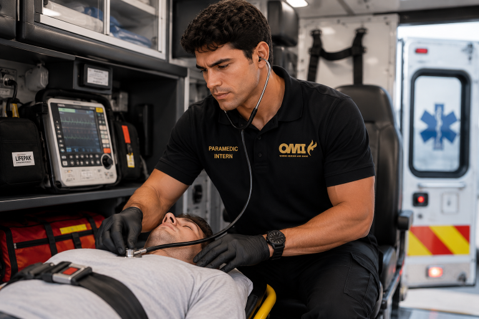
Starting a career in emergency medical services (EMS) requires more than completing training and earning certifications. Whether you hope to work for a fire department, ambulance service, or another emergency response organization, presenting your qualifications effectively can help you stand out during the hiring process.
For aspiring EMTs in Orlando, preparing a professional resume and portfolio is an important step toward pursuing opportunities with agencies such as the Orlando Fire Department. Hiring panels may evaluate candidates based on their education, certifications, practical experience, communication skills, and ability to work under pressure.
A well-organized application can help demonstrate that you understand the responsibilities of emergency medical care and are prepared to continue developing professionally.
What EMS Hiring Panels Look for in Candidates
EMS hiring requirements vary by agency and position. Some departments require candidates to hold specific certifications, complete additional testing, or meet physical and background standards. Reviewing each job announcement is essential before applying.
However, several qualities are valuable across many EMS hiring processes:
- Relevant education and certifications: EMT training, state certification, CPR or BLS credentials, and other qualifications required for the position.
- Patient care experience: Clinical rotations, field experience, healthcare employment, or volunteer work involving patient interaction.
- Communication skills: The ability to listen, explain information clearly, and work effectively with patients and team members.
- Critical thinking: The ability to assess situations, recognize priorities, and make informed decisions.
- Teamwork and reliability: Emergency responders depend on one another, making accountability and professionalism essential.
- Commitment to public service: Hiring panels often value candidates who demonstrate responsibility, compassion, and a genuine interest in helping their communities.
Your resume should make these qualities easy to identify.
How to Build a Strong EMT and EMS Resume
A professional EMS resume should be clear, organized, and focused on qualifications relevant to emergency medical services. You do not need years of experience to create a strong application. Instead, highlight the education, skills, and responsibilities that demonstrate your readiness to enter the field.
1. Start With a Professional Summary
Place a short professional summary near the top of your resume. Use two or three sentences to introduce your background, relevant training, and career goals.
For example:
“Motivated aspiring Emergency Medical Technician with foundational training in emergency medical care, patient assessment, and emergency response procedures. Dedicated to providing compassionate patient care, communicating effectively, and continuing professional development within emergency medical services.”
If you already hold EMT certification or have field experience, include those qualifications accurately. Avoid describing yourself as certified or experienced in areas where you have not yet completed the necessary training.
2. Highlight Your EMT Education and Certifications
Education and certifications are especially important for entry-level EMS applicants. Create a dedicated section that clearly identifies your training program, completion date, and relevant credentials.
Depending on your qualifications, this section may include:
- Emergency Medical Technician education.
- Florida State EMT certification, if obtained.
- National Registry EMT certification, if obtained.
- CPR or Basic Life Support certification, if current.
- Additional healthcare training or relevant credentials.
Be precise about certification status. Completing an EMT program and becoming eligible to take a certification examination are not the same as holding an active certification.
3. Include Relevant Healthcare and Volunteer Experience
You do not necessarily need previous employment as an EMT to demonstrate relevant experience. Healthcare-related work, community service, and volunteer responsibilities can help show that you understand the importance of helping others.
Consider including experience involving:
- Patient interaction or customer service.
- First aid or safety responsibilities.
- Healthcare or clinical environments.
- Community outreach and volunteer activities.
- Team leadership and collaboration.
- Working in fast-paced or high-pressure environments.
When describing previous positions, focus on responsibilities and accomplishments rather than simply listing job duties.
For example, instead of writing:
“Worked with customers,”
you could write:
“Communicated with customers in a fast-paced environment, addressed concerns professionally, and maintained a calm approach during challenging interactions.”
This demonstrates transferable communication and problem-solving skills that are valuable in EMS.
4. Use Specific Skills Relevant to Emergency Medical Services
A skills section helps hiring panels quickly identify your qualifications. Include only skills you have developed through education, certification, employment, or practical experience.
Relevant examples may include:
- Patient assessment fundamentals.
- Emergency scene awareness.
- Basic life support knowledge.
- Infection prevention and control.
- Patient communication.
- Team collaboration.
- Documentation and reporting.
- Time management and adaptability.
Avoid listing advanced medical procedures or clinical skills unless you are appropriately trained and authorized to perform them.
5. Keep Your Resume Organized and Easy to Read
Hiring panels may review many applications, so your resume should make important information easy to find.
Follow these basic formatting recommendations:
- Use a clean, professional layout.
- Keep headings consistent.
- Choose a readable font and appropriate spacing.
- Use bullet points instead of lengthy paragraphs.
- Place your most relevant qualifications near the top.
- Check spelling, grammar, dates, and contact information.
- Save and submit your resume in the file format requested by the employer.
For candidates with limited experience, a one-page resume is often sufficient. The goal is to communicate your qualifications clearly without adding unnecessary information.
Should You Create an EMS Professional Portfolio?
A resume provides a summary of your qualifications, while a professional portfolio can offer additional evidence of your education, training, and development.
An EMS portfolio is not required by every fire department or ambulance service. However, maintaining one can help you organize important documents and prepare for interviews, professional opportunities, and future career advancement.
Consider including the following materials:
Education and Certifications
Copies of relevant diplomas, certificates, and current credentials, when appropriate to share.
Training Documentation
Records of completed courses, workshops, and continuing education.
Clinical and Practical Experience
A summary of relevant training experiences, responsibilities, and skills developed. Do not include confidential patient information or identifiable patient records.
Volunteer and Community Involvement
Documentation of volunteer activities, leadership roles, and public service experience.
Professional References
A separate list of individuals who can speak to your reliability, work ethic, communication, and professional conduct. Ask permission before listing someone as a reference.
Professional Development Goals
A brief outline of additional certifications, training, or career milestones you hope to pursue.
Keep your portfolio organized and updated. If an employer requests specific documentation, follow its submission instructions rather than sending unnecessary personal or confidential information.
How to Prepare for an Orlando Fire Department EMS Interview
A strong resume may help you secure an interview, but your ability to communicate professionally and demonstrate sound judgment also matters.
Before interviewing with the Orlando Fire Department or another EMS agency, research the organization and review the qualifications listed in the job announcement. Understand the position’s responsibilities and be prepared to explain why you are interested in serving the community.
Practice answering questions about situations involving:
- Working with a difficult or upset individual.
- Handling stressful responsibilities.
- Communicating with a team.
- Receiving feedback and correcting mistakes.
- Demonstrating compassion and professionalism.
- Making decisions when priorities compete.
Use specific examples from school, work, volunteer activities, or clinical training. Explain the situation, your responsibilities, the actions you took, and what you learned.
You should also prepare thoughtful questions about training, expectations, career development, and the department’s hiring process.
Common EMS Resume Mistakes to Avoid
Even qualified candidates can weaken their applications through avoidable mistakes. Before submitting your resume, review it for these common issues:
- Listing qualifications you have not earned: Never claim a certification, license, or clinical skill you do not currently hold.
- Using vague descriptions: Explain what you accomplished and how your experience relates to the position.
- Including irrelevant information: Prioritize education, work experience, and skills that support your EMS career goals.
- Submitting an outdated resume: Update contact information, certifications, employment history, and training records.
- Ignoring application instructions: Follow the agency’s requirements for documents, deadlines, testing, and eligibility.
- Overlooking professionalism: Spelling errors, inconsistent formatting, and unprofessional email addresses can create a poor first impression.
Taking time to review your application can help you present yourself as a prepared and responsible candidate.
Start Building Your EMS Qualifications at Orlando Medical Institute
Creating a strong EMS resume begins with developing the right educational foundation. For aspiring emergency medical professionals in Central Florida, Orlando Medical Institute (OMI) offers an Emergency Medical Technician program designed to introduce students to the knowledge and practical skills needed for emergency medical services.
OMI’s EMT program is taught by experienced instructors and covers essential principles of emergency medical care. Students learn to identify signs and symptoms of illness or injury and develop the skills needed to respond appropriately.
Training includes:
- Classroom instruction.
- Hands-on laboratory exercises.
- High-fidelity simulations.
- Clinical rotations.
- Real-world field experience.
EMT Program Training Hours
The program consists of 300 total training hours:
- 176 hours of classroom instruction.
- 52 hours of laboratory training.
- 72 hours of hands-on training.
OMI also uses a flipped classroom model. Students review core learning materials at home and dedicate classroom time to interactive activities, practical application, and instructor feedback.
EMT Certification Eligibility
Upon successful completion of the program, students become eligible to take examinations for Florida State EMT and Nationally Registered EMT certification.
EMT Program Admission Requirements
Applicants must:
- Be at least 18 years old.
- Possess a high school diploma or GED.
- Provide a valid Social Security card.
- Present a valid driver’s license or government-issued photo ID.
- Complete the DAX admissions assessment.
Additional health documentation, immunization records, and a background check are required before beginning clinical rotations.
Available EMT Class Schedules
OMI offers several schedule options for students:
- Day classes: Monday, Wednesday, and Thursday from 9 a.m. to 1 p.m.
- Evening classes: Monday, Wednesday, and Thursday from 6 p.m. to 10 p.m.
- Weekend classes: Friday from 6 p.m. to 10 p.m. and Saturday from 9 a.m. to 6 p.m.
Take the First Step Toward an EMS Career in Orlando
Building a standout EMS resume and portfolio takes preparation, relevant training, and a commitment to professional growth. By highlighting your education, certifications, practical experience, and transferable skills, you can create an application that reflects your readiness to pursue opportunities in emergency medical services.
If you are interested in becoming an EMT and building a foundation for a future in emergency response, Orlando Medical Institute can help you get started.
Complete the contact form to connect with an OMI advisor, learn more about the EMT program, and take the next step toward your healthcare career.
