
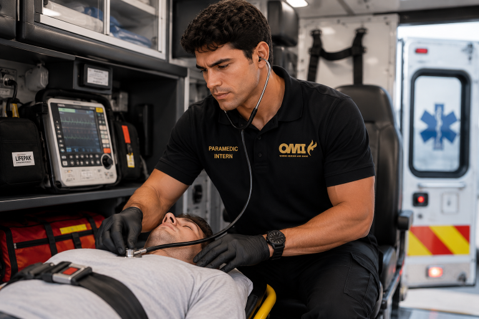
Working as an Emergency Medical Technician (EMT) or in Emergency Medical Services (EMS) can be a rewarding career. Every shift offers the opportunity to help people during some of their most difficult moments. However, like any profession, a career in emergency medical services also comes with long-term considerations, including financial stability and retirement planning.
Because EMTs and other EMS professionals often work demanding schedules, retirement planning may not always feel like an immediate priority. Still, building financial security early can make a significant difference later in life. Understanding retirement savings options, planning for career changes, and developing healthy financial habits can help EMS professionals prepare for the future while continuing to serve their communities.

Why Retirement Planning Matters for EMTs and EMS Professionals
Emergency medical services can involve physically demanding work, irregular hours, overnight shifts, and emotionally challenging situations. While many professionals find their work meaningful, it is important to consider how their career may change over time.
Some EMTs remain in the field for decades, while others eventually transition into healthcare education, emergency management, hospital-based roles, or other professions. Having a retirement plan can provide more flexibility when deciding how long to remain in a physically demanding position.
Retirement planning is especially important because not every EMS employer offers the same benefits. Some professionals work for municipal agencies with pension programs, while others work for private ambulance companies or organizations that offer employer-sponsored retirement accounts. Understanding these differences can help workers make informed decisions about their financial future.
1. Start Saving for Retirement as Early as Possible
One of the most effective ways to prepare for retirement is to begin saving early. Even small, consistent contributions can grow over time through compound interest.
Compound interest allows individuals to earn returns on both their original contributions and the returns those contributions have already generated. Starting earlier gives retirement savings more time to grow.
EMTs who are just beginning their careers can consider setting aside a percentage of each paycheck. As income increases, they may gradually increase their contributions. The most important step is establishing a consistent habit rather than waiting until retirement feels closer.
2. Understand Your Employer’s Retirement Benefits
Retirement benefits can vary significantly depending on where an EMT or EMS professional works.
Some public emergency services agencies offer pension plans, which may provide retirement income based on factors such as years of service and salary history. Other employers offer retirement savings plans, such as a 401(k), that allow employees to contribute part of their earnings.
If an employer offers matching contributions, employees should understand how the program works. Employer matching can add money to retirement savings when employees contribute according to the plan’s requirements.
Before accepting an EMS position, consider asking about:
- Available retirement savings plans.
- Employer matching contributions.
- Pension eligibility and vesting requirements.
- Health insurance and other retirement benefits.
- Opportunities to transfer or maintain retirement savings when changing employers.
Understanding these benefits can help EMTs compare job opportunities beyond salary alone.
3. Consider an Individual Retirement Account
An Individual Retirement Account (IRA) can be another way for EMS professionals to save for retirement. Unlike an employer-sponsored plan, an IRA is generally opened and managed by the individual.
Two common options are Traditional IRAs and Roth IRAs. They differ primarily in how contributions and withdrawals are taxed. Traditional IRA contributions may be tax-deductible depending on eligibility, while qualified Roth IRA withdrawals are generally tax-free.
The right option depends on an individual’s income, tax situation, and long-term financial goals. EMTs who want to explore these accounts can speak with a qualified financial professional to understand their options.
4. Build an Emergency Fund Before Relying on Retirement Savings
Retirement savings are intended for long-term financial security, so it is important to have money available for unexpected expenses.
An emergency fund can help cover costs such as car repairs, medical bills, temporary unemployment, or other unexpected financial situations. Without accessible savings, an EMT may feel pressured to withdraw money from a retirement account early, potentially resulting in taxes or penalties.
A practical goal is to gradually build enough savings to cover three to six months of essential living expenses. The amount will depend on personal circumstances, household responsibilities, and income stability.
5. Plan for Career Changes Within Emergency Medical Services
Not every EMT follows the same career path. Some professionals eventually pursue additional certifications, move into leadership positions, or transition into other areas of healthcare.
For example, experienced EMS professionals may explore opportunities in emergency management, healthcare administration, training and education, or other patient care roles. These transitions can offer different schedules and responsibilities while allowing individuals to continue using the knowledge they gained in emergency medical services.
Planning for career development can also support long-term financial goals. Additional education and professional experience may create opportunities for increased responsibility and earning potential.
6. Consider Health and Lifestyle When Planning for Retirement
Financial savings are only one part of retirement planning. EMTs should also consider their long-term physical and emotional well-being.
Emergency medical professionals may spend long hours standing, lifting equipment, assisting patients, and responding to high-pressure situations. Maintaining healthy habits throughout a career can help support overall quality of life as workers get older.
Helpful habits include maintaining regular physical activity, prioritizing sleep when possible, attending routine medical appointments, and seeking support when dealing with occupational stress.
Planning for a future outside of full-time EMS work can also help professionals prepare for a healthy transition into retirement.
7. Review Your Retirement Plan Regularly
Retirement planning is not something that needs to be completed all at once. Financial goals, income, family responsibilities, and career opportunities can change throughout a person’s life.
EMTs should review their retirement savings periodically and adjust contributions when their financial situation allows. It can also be helpful to revisit employer benefits after changing jobs, receiving a promotion, or moving into a different role.
Working with a qualified financial advisor can help individuals evaluate their retirement goals, understand investment risks, and develop a strategy that reflects their circumstances.
Starting a Career in EMS: Building a Foundation for the Future
For individuals interested in becoming EMTs, retirement planning may seem far away. However, building a successful career begins with developing the knowledge, skills, and professional foundation needed to enter emergency medical services.
An EMT career can provide opportunities to serve the community, gain valuable patient care experience, and explore different areas of healthcare. Understanding the professional responsibilities and long-term possibilities of the field can help future EMTs make informed decisions about their careers.
Begin Your EMT Training at Orlando Medical Institute
For aspiring emergency medical professionals in Orlando, Florida, Orlando Medical Institute (OMI) offers an Emergency Medical Technician (EMT) training program designed to prepare students for the demands of emergency medical services.
OMI’s program combines classroom instruction, laboratory exercises, high-fidelity simulations, clinical rotations, and real-world field experience. Students learn how to recognize signs and symptoms of illness or injury and develop the skills needed to provide effective emergency medical interventions.
The program also uses a flipped classroom model. Students review core learning materials through at-home modules before participating in interactive, application-based classroom activities. This approach allows students to learn foundational concepts at their own pace while using classroom time to strengthen their understanding with instructor guidance.
The EMT program includes 300 total training hours:
- 176 hours of classroom instruction.
- 52 hours of laboratory training.
- 72 hours of hands-on training.
Students who successfully complete the program are eligible to take examinations for Florida State EMT and Nationally Registered EMT certification.
OMI offers day, evening, and weekend scheduling options to help students plan their education around other responsibilities. Applicants must be at least 18 years old, have a high school diploma or GED, provide a valid Social Security card and government-issued photo ID or driver’s license, and complete the DAX admissions assessment.
A career in emergency medical services begins with the right preparation. Whether your long-term goal is to work in the field, advance into another healthcare role, or build a career that supports your future retirement plans, developing a strong educational foundation is an important first step.
Take the First Step Toward an EMT Career
If you are ready to explore EMT training in Orlando, contact Orlando Medical Institute today.
Fill out the contact form and an OMI advisor will reach out to answer your questions about the Emergency Medical Technician program, admissions requirements, and available class schedules.
