
Thanksgiving is a time for family gatherings, delicious meals, and spending time in the kitchen preparing holiday favorites. However, cooking a large turkey can also create serious fire hazards if proper precautions are not taken. Between hot ovens, grease, open flames, and crowded kitchens, a small cooking mistake can quickly turn into an emergency.
One particularly frightening situation is a turkey or cooking equipment catching fire while preparing Thanksgiving dinner. Whether you are deep-frying a turkey, roasting one in the oven, or preparing several dishes at once, knowing how to respond to a kitchen fire can help protect you, your family, and your home.
Understanding basic fire safety is important for everyone, but it is especially valuable for individuals interested in emergency medical services. Here is what you should know about preventing Thanksgiving cooking fires, responding if a turkey catches fire, and recognizing when to call emergency services.
1. What Should You Do If Your Turkey Catches Fire?
If your turkey or the area around it catches fire, your first priority should always be protecting people rather than saving the food. Cooking fires can spread quickly, especially when grease or other flammable materials are involved.
The appropriate response depends on where the fire starts.
If a fire starts inside your oven:
- Keep the oven door closed. Opening it can introduce oxygen and allow flames to spread.
- Turn off the oven if you can do so safely.
- Keep everyone away from the appliance.
- If flames continue, smoke spreads, or you are unsure whether the fire is contained, evacuate and call 911.
If a grease fire starts on the stovetop:
- Turn off the heat if you can safely reach the controls.
- Cover the pan with a metal lid or baking sheet if it is safe to do so.
- Leave the cover in place until the pan has cooled.
- Never move a burning pan.
- Never pour water on a grease fire.
Water can cause burning oil or grease to splatter violently, spreading flames and potentially causing severe burns.
If a deep-fried turkey catches fire:
- Do not attempt to move the fryer.
- Never pour water on the burning oil.
- Do not try to extinguish a large fryer fire yourself.
- Move away from the fryer and evacuate the area.
- Call 911 and allow firefighters to handle the emergency.
If a fire is spreading or you feel unsafe, leave immediately. Do not risk your safety trying to put out a fire or retrieve belongings.
2. Why Deep-Frying a Turkey Can Be Dangerous
Deep-frying a turkey has become a popular Thanksgiving cooking method because it can produce a crispy exterior and flavorful meat. However, using a turkey fryer improperly can create a significant fire risk.
One of the most common hazards occurs when a frozen or partially frozen turkey is placed into hot oil. Ice and excess moisture can cause the oil to bubble over the fryer, potentially spilling onto the burner and igniting.
Other common mistakes include:
- Filling the fryer with too much oil.
- Using a fryer too close to the house, garage, or wooden structures.
- Operating the fryer on an uneven surface.
- Leaving the fryer unattended.
- Allowing children or pets near the cooking area.
- Using a fryer indoors or in an enclosed space.
To reduce these risks, always follow the manufacturer’s instructions. Make sure the turkey is completely thawed and dry before frying, measure the oil level before heating it, and use the fryer outdoors on a stable, level surface away from buildings and combustible materials.
Never leave a turkey fryer unattended, even for a few minutes.
3. Never Use Water to Put Out a Grease Fire
One of the most important Thanksgiving fire safety rules is knowing why water should never be used on a grease fire.
Oil and water do not mix. When water comes into contact with extremely hot cooking oil, it can rapidly turn into steam and force burning grease out of the pan. This can cause flames to spread across nearby surfaces or toward anyone standing close to the stove.
Instead, remember these basic safety guidelines:
- Never throw water on burning grease.
- Never attempt to carry a burning pot or pan outside.
- Use a metal lid to cover a small stovetop grease fire only if you can do so safely.
- Use a Class B or appropriately rated multipurpose fire extinguisher if you are trained and the fire is small and contained.
- Evacuate and call 911 if the fire cannot be controlled immediately.
A portable fire extinguisher should be accessible in the kitchen, but you should never attempt to fight a fire that is spreading or blocking your exit.
4. How to Prevent Thanksgiving Kitchen Fires
The best way to handle a Thanksgiving cooking fire is to prevent one from happening in the first place. Holiday kitchens can become crowded and distracting, making it easy to overlook basic safety practices.
Before beginning your Thanksgiving preparations, consider these precautions:
- Stay in the kitchen while cooking. Unattended cooking is a leading cause of home cooking fires. If you need to leave, turn off the stove or ask another responsible adult to monitor the food.
- Keep flammable materials away from heat. Dish towels, oven mitts, paper products, food packaging, and decorations should be kept away from stovetops and other heat sources.
- Avoid overcrowding the kitchen. Keep children, pets, and guests away from hot appliances, sharp objects, and cooking equipment.
- Check your cooking equipment. Inspect appliances, cords, and outdoor fryers before use. Never operate damaged equipment.
- Keep a clear exit. Make sure doors and pathways are not blocked by cooking supplies, decorations, or furniture.
- Test your smoke alarms. Working smoke alarms provide an important warning if a fire begins inside your home.
A little preparation can help prevent a holiday celebration from becoming an emergency.
5. What to Do If Someone Gets Burned
Even when people take precautions, cooking accidents can still happen. Hot oil, boiling water, oven trays, and open flames can cause burns that require immediate attention.
If someone experiences a burn, take the following steps:
- Move the person away from the source of heat if it is safe to do so.
- Cool the burn under clean, cool running water for approximately 20 minutes.
- Remove jewelry or tight clothing near the affected area if it is not stuck to the skin.
- Cover the burn loosely with a clean, nonstick dressing or cloth.
- Seek medical attention for serious burns.
Do not apply ice, butter, cooking oil, or household creams to a burn. These substances can worsen the injury or interfere with proper treatment.
Call 911 if someone has a severe burn, difficulty breathing, signs of shock, or burns involving the face, hands, feet, genitals, or major joints. Burns caused by flames or hot oil may require professional medical evaluation, even when the injury initially appears manageable.
6. Recognize the Signs of Smoke Inhalation
A kitchen fire can create dangerous smoke, even when the flames appear small. Smoke inhalation occurs when someone breathes in harmful gases, particles, or chemicals produced by a fire.
Symptoms may include:
- Coughing or wheezing.
- Shortness of breath.
- Chest tightness.
- Headaches.
- Dizziness.
- Confusion.
- Soot around the nose or mouth.
- Hoarseness or difficulty speaking.
If someone may have inhaled smoke, move them into fresh air immediately if it is safe to do so. Call 911 if they experience breathing difficulties, confusion, persistent coughing, or other concerning symptoms.
Smoke inhalation can cause serious complications, and symptoms may not always appear immediately. Medical evaluation is important when exposure is suspected.
7. When Should You Call 911 for a Thanksgiving Kitchen Fire?
Not every cooking accident requires emergency services, but it is important to recognize when a situation has become dangerous.
Call 911 if:
- Flames spread beyond the original cooking area.
- A turkey fryer catches fire.
- You cannot immediately control a small, contained fire using an appropriate method.
- Heavy smoke fills the kitchen or home.
- Someone experiences a serious burn.
- Someone has difficulty breathing or may have inhaled smoke.
- A person becomes unconscious or shows signs of a medical emergency.
When calling 911, provide the dispatcher with your location, explain what is burning, and describe whether anyone is injured or trapped. Follow their instructions and do not reenter the building until emergency personnel say it is safe.
8. Why Emergency Preparedness Matters for Future EMTs
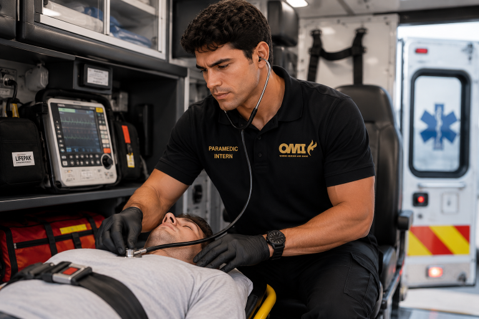
Thanksgiving cooking fires are a reminder that emergencies can happen in ordinary settings, including homes, restaurants, and family gatherings. While firefighters are responsible for handling fires, Emergency Medical Technicians (EMTs) play an important role in caring for people who become injured or ill during these incidents.
An EMT may respond to a kitchen fire involving burns, smoke inhalation, respiratory distress, or other medical complications. They must be able to assess a patient’s condition, recognize potentially serious symptoms, provide appropriate emergency care, and communicate important information to other healthcare professionals.
For individuals interested in becoming EMTs, understanding common emergencies is a valuable introduction to the responsibilities of emergency medical services. Effective emergency response requires more than knowing what to do. It also requires practical training, sound judgment, and the ability to remain calm under pressure.
Start Your EMT Training at Orlando Medical Institute
If learning about Thanksgiving fire safety has sparked your interest in emergency response, Orlando Medical Institute (OMI) offers an Emergency Medical Technician (EMT) training program in Orlando, Florida.
OMI is committed to transforming tomorrow’s heroes through a comprehensive educational experience led by experienced and highly qualified instructors. Students develop an understanding of essential emergency medical care principles while learning to recognize signs and symptoms of illness or injury and provide appropriate emergency medical interventions.
The program combines classroom instruction, hands-on laboratory exercises, high-fidelity simulations, clinical rotations, and real-world field experience.
A Comprehensive EMT Training Experience
Orlando Medical Institute’s EMT program includes 300 total hours of training:
- 176 hours of classroom instruction: Build foundational knowledge of emergency medical care.
- 52 hours of laboratory training: Develop practical skills through structured exercises.
- 72 hours of hands-on training: Apply classroom concepts through practical learning experiences.
OMI also incorporates a flipped classroom model. Students review core learning materials through at-home modules at their own pace, while classroom sessions focus on interactive activities, practical application, and instructor feedback.
Upon successful completion of the program, students become eligible to take the examinations for Florida State Emergency Medical Technician certification and Nationally Registered EMT certification.
EMT Program Admission Requirements
Individuals interested in enrolling at Orlando Medical Institute must:
- Be at least 18 years old.
- Possess a high school diploma or GED.
- Provide a valid Social Security card.
- Present a valid driver’s license or government-issued photo ID.
- Complete the required DAX admissions assessment.
Additional health, immunization, and clinical compliance documentation must be submitted after enrollment and before beginning clinical rotations.
Flexible EMT Class Schedules in Orlando
OMI offers several scheduling options to help students balance their education with other responsibilities:
- Day classes: Monday, Wednesday, and Thursday from 9 a.m. to 1 p.m.
- Night classes: Monday, Wednesday, and Thursday from 6 p.m. to 10 p.m.
- Weekend classes: Friday from 6 p.m. to 10 p.m. and Saturday from 9 a.m. to 6 p.m.
Make Thanksgiving Safety a Priority
Thanksgiving should be a time to enjoy good food and create meaningful memories with loved ones. By practicing safe cooking habits, understanding how to respond to grease fires, and knowing when to seek emergency assistance, you can help protect your household throughout the holiday season.
For those interested in helping others during unexpected emergencies, EMT training can be an important first step toward a rewarding healthcare career.
Orlando Medical Institute provides aspiring emergency medical professionals with the foundational knowledge and practical training needed to begin exploring this career path.
Ready to get started? Contact Orlando Medical Institute to learn more about the EMT program in Orlando, Florida. Fill out the contact form, select Emergency Medical Technician (EMT) as your program of interest, and an admissions advisor will reach out to answer your questions.
Transforming Tomorrow’s Heroes starts with learning how to make a difference.
