
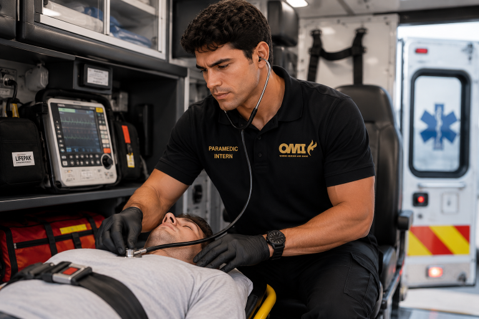
How Extreme Weather Is Changing Emergency Medical Services
Climate change is creating new challenges for emergency response systems across the United States. As communities experience more frequent or intense heat waves, heavy rainfall, flooding, and other extreme weather events, emergency medical services (EMS) must prepare for changing patterns of emergency calls. These conditions can increase demand for 911 services, complicate transportation, and make it more difficult for EMTs and other first responders to reach people who need urgent medical attention.
For communities in Florida, including Orlando, understanding the relationship between climate change, extreme weather, and emergency medical services is particularly important. High temperatures, severe thunderstorms, hurricanes, and flooding can all affect public health and place additional demands on emergency response teams.
As these challenges continue to evolve, trained Emergency Medical Technicians (EMTs) play an important role in helping communities respond to medical emergencies. Understanding how extreme weather affects 911 systems also highlights the importance of preparing the next generation of emergency medical professionals.
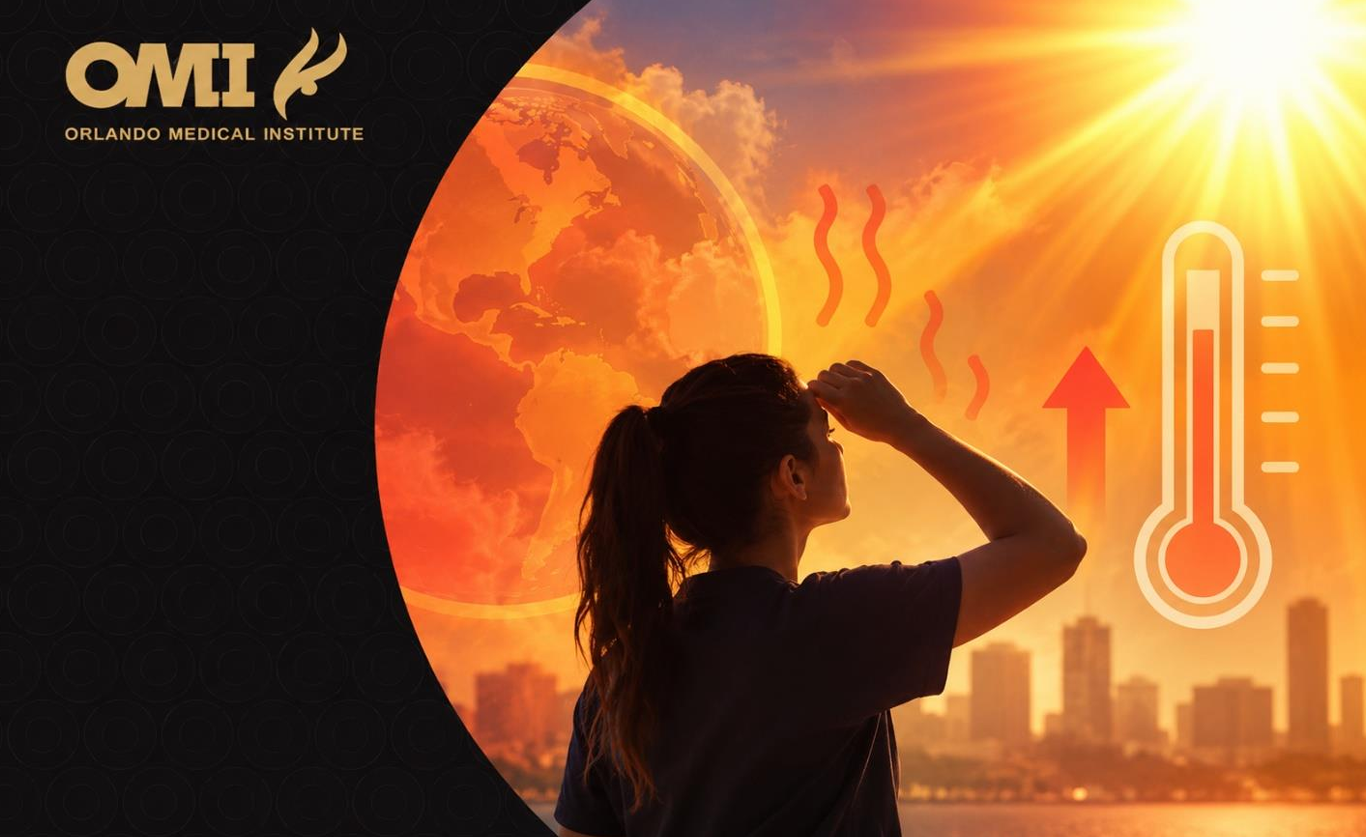
Why Climate Change Can Increase 911 Call Volume
Emergency dispatch centers coordinate responses to medical emergencies, fires, accidents, and other urgent situations. During extreme weather events, these centers may experience a sudden increase in incoming calls, requiring dispatchers, EMTs, paramedics, and other emergency personnel to manage multiple incidents at once.
Climate change can contribute to this pressure through several pathways.
Extreme Heat and Heat-Related Medical Emergencies
Rising temperatures and prolonged heat waves can increase the risk of heat exhaustion, heatstroke, dehydration, and other heat-related illnesses. People who work outdoors, participate in strenuous activities, or lack access to reliable cooling may face greater risks.
Older adults, young children, people with certain medical conditions, and individuals who take medications that affect temperature regulation may also be especially vulnerable to extreme heat.
When temperatures remain dangerously high, emergency services may receive more calls involving fainting, confusion, breathing difficulties, and other symptoms that require medical assessment. Severe heat illness can become life-threatening and requires prompt treatment.
For EMTs, recognizing the signs of heat-related illness and responding quickly are essential skills. During a major heat wave, emergency crews may also need to respond to several patients experiencing similar conditions within a relatively short period.
Hurricanes, Flooding, and Severe Storms
Florida communities are familiar with tropical storms and hurricanes, but flooding and severe weather can create significant challenges even outside major hurricane events. Heavy rainfall can flood roadways, damage infrastructure, and prevent emergency vehicles from using their usual routes. Strong winds, fallen trees, and power outages can further complicate access to homes and businesses.
These conditions can increase emergency calls related to injuries, vehicle crashes, falls, and medical conditions that become harder to manage when transportation or electricity is disrupted.
Flooding may also delay access to patients who depend on medical equipment, refrigerated medications, or electricity-powered devices. Emergency responders must assess environmental hazards while determining the safest way to reach and assist patients.
During severe weather, the challenge is not simply the number of calls received. It is also the difficulty of reaching patients safely and delivering appropriate care under changing conditions.
Wildfire Smoke and Poor Air Quality
Wildfire smoke can travel significant distances, affecting communities far from the original fire. Smoke contains fine particles that can irritate the respiratory system and worsen existing health conditions.
Exposure may increase breathing difficulties for people with asthma or other respiratory illnesses. It can also place additional strain on individuals with cardiovascular conditions.
When air quality deteriorates, EMS agencies may see increased demand for respiratory-related emergencies, depending on the severity and duration of exposure. Emergency personnel must be prepared to assess breathing problems, recognize signs of distress, and provide appropriate care while following safety guidance.
Although Florida’s weather risks differ from those of regions that experience frequent large wildfires, smoke from fires within or outside the state can still affect air quality.
How Extreme Weather Puts Additional Pressure on 911 Systems
An increase in weather-related emergencies can affect every stage of the emergency response process, from the initial phone call to the arrival of medical personnel.
1. Emergency Dispatch Centers May Receive More Calls
During heat waves, hurricanes, and other severe weather events, dispatch centers may receive multiple urgent calls at the same time. Dispatchers must gather essential information, determine the severity of each situation, and coordinate available emergency resources.
When call volume rises quickly, managing priorities becomes especially important. Dispatchers must follow established protocols to help ensure that the most urgent incidents receive appropriate attention.
2. Emergency Vehicles May Face Delays
Flooded roads, storm damage, fallen trees, and heavy traffic can make it difficult for ambulances to reach patients. Routes that normally take only a few minutes may become inaccessible or require significant detours.
These delays can be particularly concerning for time-sensitive emergencies, including cardiac arrest, severe injuries, and serious breathing difficulties.
EMS agencies can prepare by developing alternate routes, coordinating with other emergency services, and monitoring changing road conditions. However, certain environmental hazards may still limit how quickly responders can safely reach a scene.
3. Hospitals May Experience Increased Demand
Extreme weather can affect hospitals as well as emergency response teams. Heat-related illnesses, injuries, respiratory emergencies, and other weather-associated conditions can contribute to higher patient volumes.
When hospitals experience increased demand, ambulance crews may encounter longer patient handoff times or delays in transferring care. Depending on local conditions, this can reduce the number of ambulances available for new calls.
Coordination between dispatch centers, EMS agencies, hospitals, and public health officials is therefore an important part of preparing for extreme weather.
4. Emergency Responders Must Protect Their Own Safety
EMTs and paramedics often work outdoors and in unpredictable environments. During extreme heat, they may be exposed to high temperatures while wearing protective equipment and carrying medical supplies.
Flooding, downed power lines, unstable structures, and other storm-related hazards can also create dangerous working conditions.
Emergency personnel must balance the urgency of helping patients with the need to protect themselves and their teammates. Appropriate protective equipment, hydration, rest breaks, hazard assessments, and clear communication help support safer operations.
Why These Challenges Matter in Orlando, Florida
Orlando’s climate and location make extreme weather preparedness an important consideration for local emergency services. Central Florida experiences hot and humid conditions, thunderstorms, heavy rainfall, and the potential effects of tropical systems.
During periods of extreme heat, outdoor workers, visitors, and residents may experience heat-related illnesses. Severe thunderstorms can cause traffic accidents, localized flooding, and injuries. Tropical storms and hurricanes can bring stronger winds, power outages, and disruptions to transportation.
Orlando’s tourism activity can also introduce additional planning considerations. Large numbers of visitors may be unfamiliar with local weather conditions, evacuation procedures, or emergency resources. During major events or periods of severe weather, emergency agencies must account for the needs of residents and visitors alike.
These factors make emergency preparedness an ongoing priority for Central Florida. Local agencies must plan for changing conditions, coordinate with partner organizations, and ensure that emergency personnel have the training necessary to respond effectively.
For aspiring EMTs, learning about the environmental factors that influence emergency calls can provide a broader understanding of the profession. Emergency medical care requires more than treating injuries or recognizing symptoms. It also involves assessing scenes, communicating with other responders, and adapting to conditions that can change quickly.
How EMS Agencies Can Prepare for Climate-Related Emergencies
Preparing for extreme weather requires coordination, training, and planning before an emergency occurs. EMS agencies can take several steps to strengthen their response capabilities.
Improve Emergency Preparedness Planning
Agencies can develop response plans for heat waves, hurricanes, flooding, and other weather-related emergencies. These plans may include procedures for reallocating ambulances, identifying alternate routes, coordinating with hospitals, and communicating with public safety partners.
Regular exercises and simulations can help emergency personnel practice decision-making before actual conditions become dangerous.
Strengthen Public Education
Public education can help residents recognize weather-related health risks and understand when to seek emergency assistance. Communities can share information about heat illness prevention, severe weather alerts, evacuation procedures, and emergency preparedness supplies.
Encouraging residents to check on vulnerable neighbors during extreme heat or severe weather can also help identify problems before they become life-threatening.
Public education should emphasize that people experiencing signs of a serious medical emergency should call 911 rather than delay care.
Support EMT Training and Continuing Education
Emergency medical training prepares responders to recognize symptoms, provide appropriate interventions, and make decisions under pressure. Training that incorporates realistic scenarios can help students understand how environmental conditions affect patient care.
For example, a simulated emergency might require an EMT to assess a patient experiencing heat exhaustion while accounting for high outdoor temperatures, limited shade, and the need to monitor the patient’s condition.
Other exercises may involve communicating with dispatch, evaluating scene safety, or adapting patient care plans when access to a location is restricted.
Continuing education also helps working professionals maintain their knowledge and adapt to changing operational challenges.
Coordinate Across Emergency Response Organizations
Effective disaster response depends on cooperation between EMS agencies, fire departments, law enforcement, hospitals, emergency management officials, and public health organizations.
Shared communication procedures and coordinated planning can help organizations understand available resources, identify response priorities, and manage incidents that affect multiple communities.
No single agency can address every challenge created by a major weather event. Cooperation helps emergency response systems operate more effectively when demand increases.
The Role of EMTs During Extreme Weather Events
Emergency Medical Technicians are often among the first medical professionals to assess patients during emergencies. Their responsibilities include evaluating patient conditions, recognizing potentially life-threatening symptoms, providing care within their scope of practice, and communicating important information to other healthcare providers.
During extreme weather events, EMTs may encounter patients with heat-related illnesses, breathing difficulties, injuries, or medical conditions complicated by power outages and transportation disruptions.
They must also remain aware of scene safety. A patient in a flooded area or a location affected by storm damage may require additional coordination before responders can safely provide care.
Important EMT skills include:
- Patient assessment and recognition of urgent medical conditions.
- Basic life support and appropriate emergency interventions.
- Effective communication with dispatchers, paramedics, and other responders.
- Scene awareness and hazard recognition.
- Adaptability when weather or access conditions change.
- Teamwork and sound decision-making under pressure.
These abilities are relevant throughout the year, not only during hurricanes or major disasters. Everyday emergencies can also occur during periods of extreme heat, heavy rain, or dangerous travel conditions.
As climate-related risks continue to affect communities, EMTs will remain an important part of the broader emergency response system.
Start Your EMT Training at Orlando Medical Institute
For individuals interested in helping their communities respond to medical emergencies, becoming an EMT can be a meaningful first step toward a career in healthcare.
Orlando Medical Institute (OMI) offers an Emergency Medical Technician training program in Orlando, Florida, designed to help students develop the foundational knowledge and practical skills needed for emergency medical care.
OMI’s EMT program combines classroom instruction, hands-on laboratory exercises, high-fidelity simulations, clinical rotations, and real-world field experience. This comprehensive approach helps students learn to recognize signs and symptoms of illness or injury and understand how to respond to different medical situations.
The program includes 300 total training hours:
- 176 hours of classroom instruction.
- 52 hours of laboratory training.
- 72 hours of hands-on training.
OMI also incorporates a flipped classroom model. Students review core educational materials independently before participating in interactive classroom activities that reinforce their understanding. This approach provides opportunities to apply concepts, strengthen practical knowledge, and receive feedback from experienced instructors.
Upon successful completion of the program, students are eligible to take the examinations for Florida State EMT certification and Nationally Registered EMT certification.
Applicants must be at least 18 years old, possess a high school diploma or GED, provide a valid Social Security card and a driver’s license or government-issued photo ID, and complete the required DAX admissions assessment. Additional health documentation, testing, and other clinical compliance requirements must be completed after enrollment before clinical rotations.
OMI offers daytime and evening class options, as well as a Friday evening and Saturday schedule, giving students different options to consider when planning their education.
For prospective students in Orlando who want to understand emergency response and prepare for a career helping others, OMI offers a starting point for building the knowledge and skills required in emergency medical services.
Prepare for the Future of Emergency Medical Services
Climate change and extreme weather present evolving challenges for 911 systems, EMS agencies, and healthcare facilities. From heat-related illnesses to storm damage and transportation disruptions, these events can increase emergency response demands and complicate patient care.
Preparing for these challenges requires effective emergency planning, public education, interagency coordination, and well-trained emergency medical professionals. EMTs contribute to this effort by assessing patients, providing essential care, and helping communities respond when unexpected situations arise.
If you are interested in pursuing a career in emergency medical services, learning about these challenges can help you better understand the importance of EMT training.
Contact Orlando Medical Institute to learn more about its EMT program, admissions requirements, and available class schedules. Take the first step toward developing the skills needed to support patients and serve your community when emergencies happen.
