
Dehydration happens when the body loses more fluids than it takes in. While mild dehydration can often be addressed by drinking fluids and resting, more serious dehydration can become a medical concern. Knowing how to recognize signs of dehydration is an important skill for everyone, especially those interested in emergency medical services.
For EMTs, recognizing changes in a person’s condition is an essential part of providing appropriate care. Dehydration can affect people of all ages and may occur because of illness, vomiting, diarrhea, excessive sweating, prolonged physical activity, or exposure to hot weather. In Florida, where high temperatures and humidity can increase fluid loss, understanding dehydration is particularly relevant for anyone preparing for a career in EMS.
What Is Dehydration?
Dehydration occurs when the body does not have enough fluids to function normally. Water is essential for regulating body temperature, supporting circulation, and helping the body’s organs function properly.
The severity of dehydration can range from mild to severe. Recognizing the early warning signs can help a person take action before the condition becomes more serious.
Common Signs of Dehydration
Some symptoms of dehydration can develop gradually. Common signs include:
- Increased thirst
- Dry mouth or lips
- Dark yellow urine
- Urinating less frequently than usual
- Headache
- Fatigue or weakness
- Dizziness or lightheadedness
- Dry skin
- Muscle cramps
These symptoms may become more noticeable after exercise, spending time outdoors in hot weather, or experiencing an illness that causes fluid loss.
It is important to remember that thirst is not always a reliable indicator of hydration status, particularly in older adults. Paying attention to other physical changes can also help identify possible dehydration.
Signs of Severe Dehydration
More serious dehydration may affect a person’s mental status, circulation, and overall ability to function. Warning signs can include:
- Confusion or unusual behavior
- Fainting
- Severe dizziness
- Extreme weakness
- Very little or no urination
- Rapid heartbeat
- Rapid breathing
- Significant changes in alertness
Severe dehydration can require urgent medical attention. If someone is unconscious, confused, severely weak, or experiencing other serious symptoms, call 911 rather than attempting to manage the situation on your own.
What Causes Dehydration?
Understanding what causes dehydration can make it easier to identify people who may be at greater risk. Common causes include:
Heat and Excessive Sweating
Hot and humid conditions can cause the body to lose significant amounts of fluid through sweating. This is particularly important in Florida, where people may spend extended periods outdoors in high temperatures.
Vomiting and Diarrhea
Illnesses that cause vomiting or diarrhea can result in rapid fluid loss. If fluids cannot be replaced adequately, dehydration can develop.
Fever
A fever can increase fluid loss as the body works to regulate its temperature.
Physical Activity
Exercise and physically demanding activities increase the body’s need for fluids. Prolonged activity in hot conditions can increase the risk of dehydration even further.
Not Drinking Enough Fluids
Busy schedules, illness, limited access to fluids, or simply forgetting to drink enough can contribute to dehydration.
Who Is at Greater Risk?
Anyone can become dehydrated, but certain groups may be more vulnerable. Infants and young children, older adults, people who are ill, and individuals exercising or working in hot environments may have an increased risk.
People with certain medical conditions or those taking medications that affect fluid balance may also need to pay closer attention to hydration.
What Should You Do If Someone May Be Dehydrated?
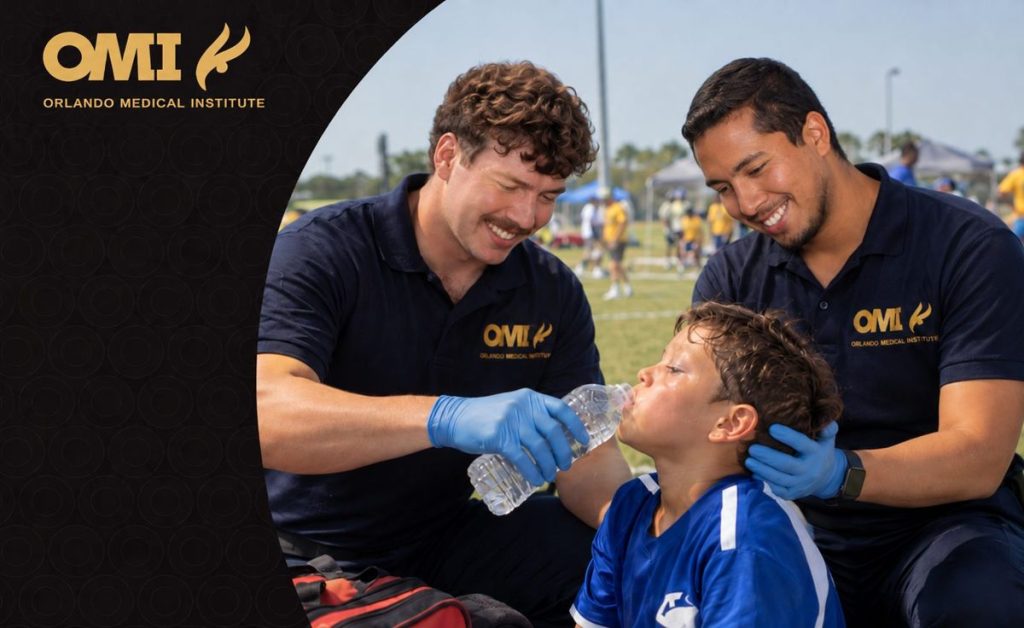
If a person is awake, alert, and able to drink, providing fluids may help with mild dehydration. Encourage the person to rest in a cool environment, particularly if heat exposure or physical activity contributed to the problem.
However, do not assume that every case of dehydration can be treated simply by drinking water. If symptoms are severe, worsening, or accompanied by confusion, fainting, significant weakness, or other concerning symptoms, seek emergency medical care.
When a person is unconscious or unable to safely swallow, do not give them anything by mouth. Call 911 and follow the instructions provided by the emergency dispatcher.
Why Recognizing Dehydration Matters for EMTs
Emergency Medical Technicians need to recognize changes in a patient’s condition and understand when symptoms may indicate a more serious problem. Dehydration is one example of a condition that may initially appear relatively minor but can become more concerning when symptoms become severe or occur alongside another illness or injury.
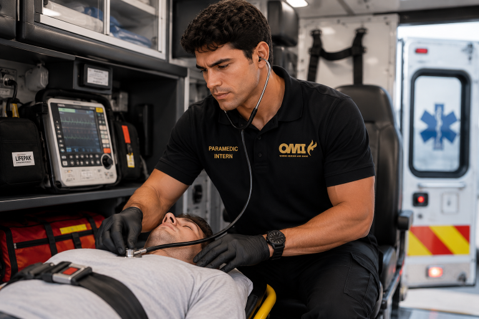
EMTs evaluate patients, gather information about their symptoms and medical history, monitor vital signs, provide appropriate emergency care within their scope of practice, and communicate important information to other healthcare professionals.
Learning to recognize signs of dehydration is therefore part of developing the broader observation and assessment skills needed in emergency medical services.
How EMT Students Learn to Assess Patients
Becoming an EMT involves more than memorizing symptoms. Students learn how to apply their knowledge in situations where patients may have multiple symptoms or conditions at the same time.
Effective EMT education combines classroom learning with opportunities to practice assessment and emergency care skills. Hands-on training and realistic scenarios can help students become more comfortable evaluating patients, communicating with them, recognizing changes in their condition, and making informed decisions.
These skills are especially important in situations where a patient may not be able to clearly explain what they are experiencing.
Prepare for an EMT Career at Orlando Medical Institute
For students interested in becoming an EMT in Orlando, Florida, Orlando Medical Institute provides comprehensive Emergency Medical Technician training designed to develop the knowledge and practical skills needed in emergency medical care.
The program combines classroom instruction, hands-on laboratory exercises, high-fidelity simulations, clinical rotations, and real-world field experience. Students learn about signs and symptoms of illness and injury while developing the ability to respond appropriately to emergency situations.
Orlando Medical Institute’s EMT program includes 300 total hours of training, including classroom, laboratory, and hands-on learning. Upon successful completion of the program, students will be eligible to take examinations for certification as a Florida State Emergency Medical Technician and Nationally Registered EMT.
The program is designed for students who want to build a foundation in emergency medical services and prepare for the responsibilities of working in a fast-paced healthcare environment.
Start Your EMT Training in Orlando
Knowing how to recognize signs of dehydration is one example of the patient assessment knowledge that can be valuable in emergency medical services. EMTs must be prepared to recognize important symptoms, evaluate patients, and respond appropriately when someone’s condition requires emergency care.
If you are considering a career as an EMT, choosing a training program that combines education with hands-on experience can help you build the confidence and skills needed for the field.
Orlando Medical Institute offers EMT training in Orlando, Florida, for individuals ready to take the next step toward a career in emergency medical services. Contact Orlando Medical Institute to learn more about the EMT program, admissions requirements, and how to get started.
