
Burns can happen unexpectedly. A person may get burned while cooking, working, handling hot objects, spending time outdoors, or coming into contact with chemicals or electricity. While many minor burns can be treated with basic first aid, some burns require immediate medical attention.
Knowing what to do for a burn can help reduce further injury and protect the affected area while waiting for professional medical care. For aspiring Emergency Medical Technicians (EMTs), understanding how to recognize and respond to burns is also an important part of emergency medical training.
What Causes Burns?
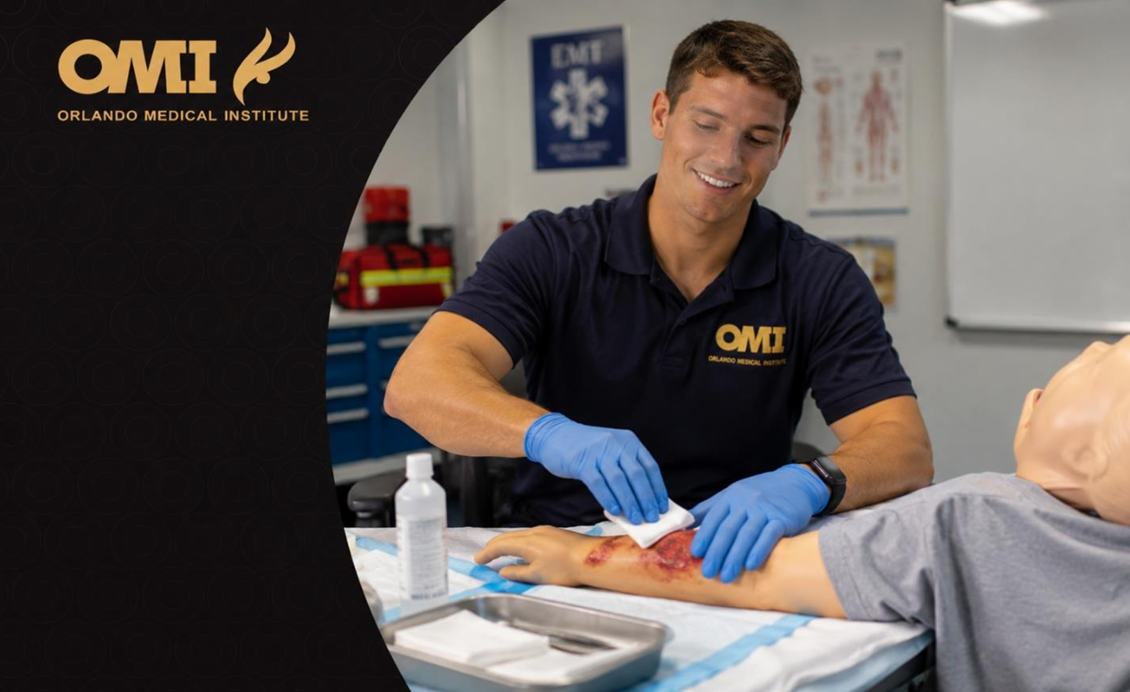
A burn occurs when the skin or underlying tissue is damaged by heat, chemicals, electricity, radiation, or other sources. Burns can vary significantly in severity depending on their cause, depth, size, and location on the body.
Common causes of burns include:
- Hot liquids and steam
- Fire and flames
- Hot surfaces or objects
- Chemicals
- Electricity
- Radiation
- Prolonged exposure to the sun
A burn can range from a small, painful area of redness to a serious injury involving deeper layers of tissue. Understanding the type and severity of a burn is important when determining what kind of treatment is needed.
What to Do for a Minor Burn
For a minor burn, prompt first aid can help cool the injury and protect the affected area.
1. Stop the Source of the Burn
First, move away from the source of the injury if it is safe to do so. If clothing or another material is still hot or burning, carefully remove it when possible without causing additional injury.
If the burn was caused by a chemical or electrical source, the response may require additional precautions. Avoid putting yourself in danger while attempting to help someone else.
2. Cool the Burn
For a minor thermal burn, cool the affected area with clean, cool running water.
Cooling the burn can help reduce pain and limit continued heat damage to the skin. Avoid using ice directly on a burn because extreme cold can cause additional tissue damage.
3. Remove Jewelry or Tight Items
If possible, carefully remove rings, watches, bracelets, or other tight items near the injured area before swelling develops.
Do not attempt to remove anything that is stuck to the skin.
4. Protect the Burn
After cooling the area, protect the burn with a clean, nonstick dressing or other appropriate covering.
Keeping the area protected can help reduce contamination and irritation while the injury heals.
5. Do Not Break Blisters
Blisters can develop as a result of a burn. Avoid intentionally popping or breaking them.
Opening a blister can increase the risk of infection and further damage to the injured area.
What Not to Put on a Burn
Many traditional home remedies for burns are not recommended. Avoid applying substances such as butter, oil, toothpaste, or other household products to a burn unless specifically directed by a healthcare professional.
Do not apply ice directly to the skin.
Instead, focus on cooling the burn with clean, cool running water and protecting the area appropriately.
When Is a Burn an Emergency?
Not every burn requires an emergency department visit, but certain burns can be serious and require immediate medical evaluation.
Seek emergency medical help for burns that:
- Are large or deep
- Involve the face, eyes, hands, feet, major joints, or genital area
- Were caused by electricity
- Were caused by chemicals
- Involve significant swelling
- Cause difficulty breathing
- Are associated with smoke inhalation
- Appear white, charred, leathery, or severely damaged
- Occur alongside other serious injuries
- Affect a child, older adult, or person with significant medical vulnerabilities
If you are unsure whether a burn is serious, contact a medical professional or emergency services for guidance.
What to Do for a Severe Burn
A serious burn requires a different response than a minor burn. If someone has a severe burn, call 911 or seek emergency medical assistance immediately.
While waiting for help:
- Make sure the area is safe before approaching the injured person.
- Stop the burning process if it can be done safely.
- Call 911 for serious or life-threatening injuries.
- Do not remove clothing that is stuck to the skin.
- Do not apply ice, butter, oil, or household remedies.
- Do not break blisters or peel damaged skin.
- Monitor the person’s breathing and responsiveness.
- Follow instructions provided by emergency dispatchers.
A person with a severe burn may also have other injuries, particularly if the burn occurred during a fire, explosion, vehicle accident, or other traumatic event.
Chemical Burns Require Special Attention
Chemical burns can occur when the skin or eyes come into contact with corrosive or irritating substances.
If someone experiences a chemical exposure, avoid direct contact with the substance yourself. Remove contaminated clothing when it is safe to do so and follow emergency instructions.
Chemical exposures involving the eyes can be particularly serious and require immediate medical attention.
Because different chemicals require different safety procedures, contacting emergency services or a poison control resource can help determine the appropriate response.
Electrical Burns Can Be Serious
Electrical burns may appear smaller on the surface while causing more significant internal injuries.
If someone has suffered an electrical injury, do not touch them while they are still in contact with the electrical source. Make sure the power has been safely disconnected before approaching the person.
Call 911 for significant electrical injuries, especially if the person has lost consciousness, has difficulty breathing, experiences chest pain, or shows other concerning symptoms.
Emergency medical evaluation may be necessary even when the visible burn appears minor.
How EMTs Respond to Burn Injuries
EMTs are often among the first healthcare professionals to evaluate patients with serious burns. Their responsibilities can include assessing the patient’s condition, identifying immediate threats to life, providing appropriate emergency care, and coordinating transportation to a medical facility.
An EMT may assess:
- The severity and location of the burn
- The estimated size of the affected area
- The patient’s airway and breathing
- Circulation and vital signs
- The cause and circumstances of the injury
- Other injuries that may have occurred
- The patient’s overall condition
Burn emergencies can change quickly, particularly when the patient has experienced smoke inhalation, trauma, chemical exposure, or electrical injury. EMTs must be prepared to assess the situation and make informed decisions under pressure.
Why Burn First Aid Matters for Aspiring EMTs
Understanding how to treat a burn is one part of a much broader set of skills EMTs need in emergency medical services.
EMTs may encounter patients with burns alongside other injuries, illnesses, or complications. They need to understand how to evaluate the entire situation rather than focusing on only the most visible injury.
This requires knowledge of emergency medical principles, patient assessment, communication, safety procedures, and hands-on skills.
Comprehensive EMT education gives students opportunities to practice these skills before entering the field.
EMT Training at Orlando Medical Institute
For students interested in becoming an EMT in Orlando, Orlando Medical Institute offers an Emergency Medical Technician program designed to prepare students for the demands of emergency medical services.
The program is taught by experienced and highly qualified instructors who are committed to helping students develop a strong understanding of emergency medical care.
Students learn how to identify and respond to various signs and symptoms of illness and injury while developing the knowledge and skills needed to provide effective emergency medical interventions.
Training includes:
- Classroom instruction
- Laboratory exercises
- Hands-on skills training
- High-fidelity simulations
- Clinical rotations
- Real-world field experience
This combination allows students to build both foundational knowledge and practical emergency response skills.
A Comprehensive EMT Program in Orlando
Orlando Medical Institute’s EMT program includes 300 total hours of training:
- 176 hours of classroom instruction
- 52 hours of laboratory training
- 72 hours of hands-on training
The program also uses a flipped classroom model. Students engage with core content through at-home learning modules and then use classroom time for interactive activities, practical applications, and instructor feedback.
This approach gives students more opportunities to apply what they learn and develop confidence with emergency medical skills.
EMT Program Requirements
Students interested in the Orlando Medical Institute EMT program must meet the following admission requirements:
- Be 18 years of age or older
- Have a high school diploma or GED
- Provide a valid Social Security card
- Present a valid driver’s license or government-issued photo ID
- Complete the required admissions assessment, DAX
Before beginning clinical rotations, students must also meet applicable clinical compliance requirements. These include required health and immunization records, testing, a current school physical, and a background check.
Flexible EMT Class Schedules in Orlando
Orlando Medical Institute offers several scheduling options for students pursuing EMT training.
Schedule Type I
Monday, Wednesday, and Thursday
9:00 a.m. to 1:00 p.m.
Schedule Type II
Monday, Wednesday, and Thursday
6:00 p.m. to 10:00 p.m.
Schedule Type III
Friday, 6:00 p.m. to 10:00 p.m.
Saturday, 9:00 a.m. to 6:00 p.m.
These options provide students with different ways to fit EMT education into their schedules.
Start Your EMT Education in Orlando
Knowing what to do for a burn can make a difference when an injury occurs. Minor burns may require basic first aid, while serious burns, chemical burns, electrical burns, and burns involving critical areas of the body may require immediate medical attention.
For aspiring EMTs, learning how to recognize burn severity and respond appropriately is an important part of emergency medical education. EMTs must be prepared to assess patients, identify immediate threats, provide appropriate care, and communicate effectively with other healthcare professionals.
Orlando Medical Institute provides comprehensive EMT training through classroom instruction, laboratory exercises, hands-on practice, high-fidelity simulations, clinical rotations, and field experience.
Upon successful completion of the program, students will be eligible to take examinations for certification as a Florida State Emergency Medical Technician and Nationally Registered EMT.
If you are ready to begin preparing for a career in emergency medical services, explore the Emergency Medical Technician program at Orlando Medical Institute in Orlando, Florida and take the next step toward your healthcare career.
