
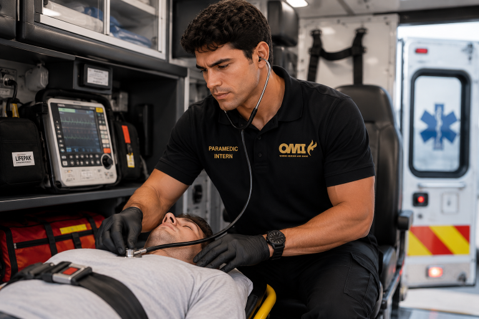
Becoming an Emergency Medical Technician (EMT) can be a rewarding career for people who want to help others during some of the most important moments of their lives. EMTs
respond to medical emergencies, accidents, injuries, and other situations where people need immediate care. Because the job involves working in unpredictable environments,
many aspiring EMTs ask an important question before beginning their training: Is being an EMT dangerous?
The answer is that EMTs can face risks on the job, but proper training, safety procedures, teamwork, and situational awareness help emergency medical professionals manage
those risks. Understanding what EMTs encounter in the field can help prospective students make an informed decision about pursuing an EMT career.
What Makes Being an EMT Potentially Dangerous?
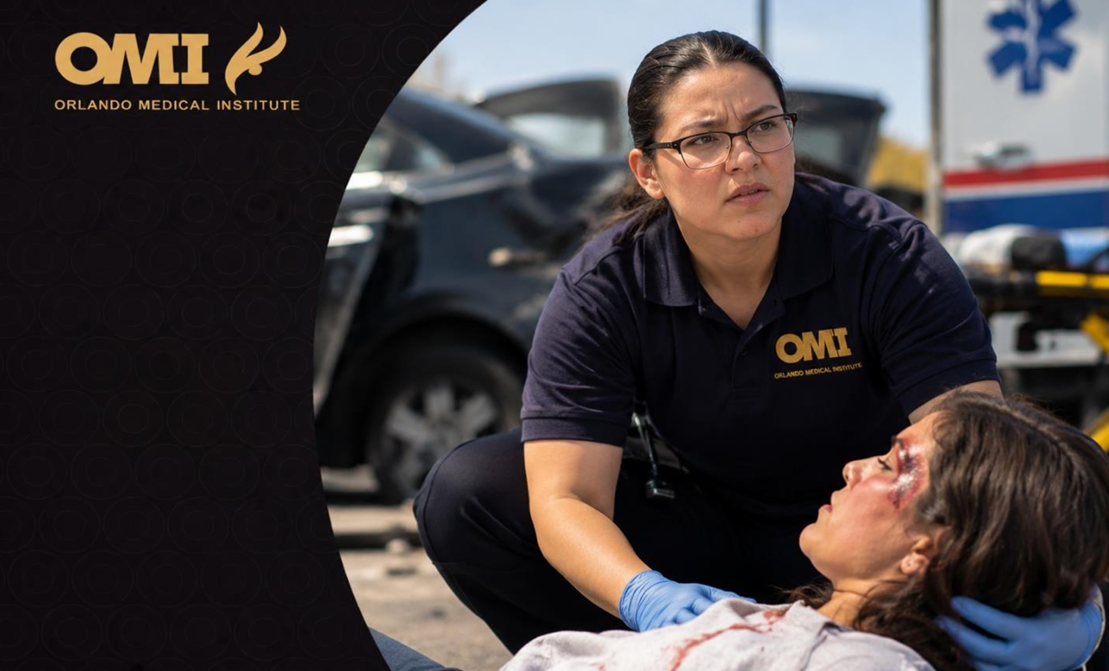
EMTs do not work exclusively in controlled healthcare environments. Instead, they often provide medical care wherever an emergency occurs. This can include homes, highways,
businesses, public spaces, and other locations. Because every emergency is different, EMTs may encounter several types of occupational
risks.
Traffic and Vehicle-Related Risks
EMTs frequently respond to emergencies by ambulance and may work around traffic at accident scenes. Roadside emergencies can expose responders to moving vehicles, poor
weather conditions, limited visibility, and other hazards. Following ambulance and roadside safety procedures is an important part of EMT training.
EMTs must learn how to assess their surroundings, communicate with other emergency responders, and work safely around vehicles while providing patient care.
Exposure to Illness and Bodily Fluids
Emergency medical professionals may treat patients with infectious illnesses or injuries involving blood and other bodily fluids. EMTs use personal protective equipment (PPE),
proper hygiene practices, and established infection-control procedures to reduce the risk of exposure.
Learning these precautions is an essential part of becoming an EMT. Students need to understand not only how to treat patients, but also how to protect themselves and the
people around them.
Physically Demanding Situations
EMT work can be physically demanding. Depending on the emergency, an EMT may need to lift or move patients, carry medical equipment, work in confined spaces, or remain on their
feet for extended periods.
Proper body mechanics, lifting techniques, teamwork, and appropriate equipment can help reduce the risk of injury. Physical preparation and hands-on training are important
parts of developing these skills.
Unpredictable Emergency Scenes
An EMT may arrive at a scene without knowing exactly what happened or what hazards are present. Emergency calls can involve vehicle crashes, falls, medical emergencies, fires,
violent situations, or other unpredictable circumstances.
For this reason, EMTs are trained to evaluate a scene before immediately approaching a patient. Scene safety is one of the fundamental principles of emergency medical care. If an
environment is unsafe, EMTs may need to wait for additional responders, such as firefighters or law enforcement, before providing care.
Stressful and Emotionally Difficult Situations
Not every risk associated with EMT work is physical. EMTs may regularly encounter people who are seriously injured, critically ill, frightened, or experiencing a life-threatening
emergency.
Working in these situations requires emotional resilience, communication skills, teamwork, and the ability to remain focused under pressure. EMT education helps students
develop the knowledge and confidence needed to make appropriate decisions during stressful situations.
How Do EMTs Stay Safe?
Although EMTs face potential hazards, safety is a major part of emergency medical training and professional practice.
One of the first priorities at an emergency scene is determining whether it is safe for responders to enter. EMTs are trained to recognize potential hazards and take appropriate
precautions before providing treatment.
Other safety practices can include:
• Wearing appropriate personal protective equipment
• Using proper lifting and moving techniques
• Following infection-control procedures
• Communicating clearly with other responders
• Maintaining awareness of the surrounding environment
• Following ambulance and roadway safety procedures
• Requesting additional emergency personnel when necessary
• Using appropriate medical equipment and procedures
• Following established emergency medical protocols
The goal is not to eliminate every risk. Instead, EMTs learn how to recognize risks, make informed decisions, and take reasonable steps to protect themselves, their patients, and
their fellow responders.
Is Being an EMT Worth the Risk?
For many people, the answer is yes.
EMTs play an important role in the healthcare system. They are often among the first healthcare professionals to assess patients during an emergency and begin providing care
before the patient reaches a hospital.
The career can also provide valuable experience for people interested in pursuing other healthcare professions. EMT training can help students develop skills such as patient
assessment, communication, teamwork, critical thinking, and emergency response.
For someone who enjoys helping others, working in a fast-paced environment, and making a difference in their community, becoming an EMT can be a meaningful career choice.
However, prospective students should understand that EMT work is not always predictable or easy. It requires responsibility, professionalism, physical readiness, and the ability to
stay composed when circumstances change quickly.
What Do You Learn in EMT Training?
One of the best ways to prepare for the risks of EMT work is through comprehensive education and hands-on training.
Students learning to become EMTs study the principles and practices of emergency medical care. Training covers how to recognize signs and symptoms of illness and injury,
assess patients, and provide appropriate emergency interventions.
Hands-on experience is particularly important because EMTs must be able to apply what they learn in situations where decisions may need to be made quickly.
Depending on the program, EMT students may participate in:
• Classroom instruction
• Laboratory exercises
• Hands-on skills training
• High-fidelity simulations
• Clinical rotations
• Real-world field experience
This combination allows students to develop both the knowledge and practical skills
necessary for emergency medical services.
EMT Training at Orlando Medical Institute
For students in Orlando who are interested in becoming EMTs, Orlando Medical Institute offers a comprehensive Emergency Medical Technician training program designed to
prepare students for the demands of emergency medical services.
The program is taught by experienced and highly qualified instructors who help students develop an understanding of emergency medical principles and practices. Students learn
how to recognize and respond to various signs and symptoms of illness or injury while developing the skills needed to provide effective emergency medical interventions.
Orlando Medical Institute takes a hands-on approach to EMT education. The program includes classroom instruction, laboratory training, hands-on practice, high-fidelity
simulations, clinical rotations, and real-world field experience.
The EMT program includes:
• 176 hours of classroom instruction
• 52 hours of laboratory training
• 72 hours of hands-on training
• 300 total program hours
This combination of educational and practical experiences gives students opportunities to practice their skills before entering the field.
A Flipped Classroom Approach to EMT Education
Orlando Medical Institute also uses a flipped classroom model as part of its EMT education.
Rather than relying entirely on traditional classroom lectures, students engage with core educational content through at-home learning modules. Classroom time can then focus
more heavily on interactive activities, practical applications, and instructor feedback.
For EMT students, this approach can be especially valuable because emergency medical care requires more than memorizing information. Students need opportunities to apply
their knowledge, practice skills, and learn how to respond to different scenarios.
By combining independent learning with hands-on classroom experiences, Orlando Medical Institute helps students prepare for the practical demands of emergency medical
services.
EMT Program Requirements at Orlando Medical Institute
Applicants interested in the Orlando Medical Institute EMT program must meet several admission requirements.
Applicants must:
• Be at least 18 years old
• Have a high school diploma or GED
• Provide a valid Social Security card
• Provide a valid driver’s license or government-issued photo ID
• Complete the required admissions assessment, DAX
Additional clinical compliance requirements must be completed after enrollment and before students begin clinical rotations. These requirements can include health and
immunization documentation, required testing, a background check, and other clinical prerequisites.
These requirements help prepare students for the professional and clinical environments they will encounter during their education.
EMT Class Schedules in Orlando
Orlando Medical Institute offers multiple scheduling options for students who need flexibility while completing their EMT education.
Available schedules include:
Schedule Type I
Monday, Wednesday, and Thursday
9:00 a.m. to 1:00 p.m.
Schedule Type II
Monday, Wednesday, and Thursday
6:00 p.m. to 10:00 p.m.
Schedule Type III
Friday, 6:00 p.m. to 10:00 p.m.
Saturday, 9:00 a.m. to 6:00 p.m.
Having different schedule options can make it easier for students to pursue EMT training while managing other responsibilities.
Prepare for a Career in Emergency Medical Services
So, is being an EMT dangerous? Like many emergency response careers, EMT work comes with real risks. However, EMTs are trained to recognize hazards, follow safety procedures,
work as a team, and make informed decisions in unpredictable situations.
The risks are an important part of understanding the profession, but they should not be the only factor considered when deciding whether an EMT career is right for you. The
opportunity to help people, develop valuable healthcare skills, and serve the community can make emergency medical services a meaningful career path.
If you are considering becoming an EMT in Orlando, receiving comprehensive training is an important first step. Orlando Medical Institute provides classroom education, hands-on
practice, simulations, clinical experience, and field-based learning to help students prepare for the realities of emergency medical services.
Upon successful completion of the program, students will be eligible to take examinations for certification as a Florida State Emergency Medical Technician and Nationally Registered
EMT.
If you are ready to explore a career in emergency medical services, learn more about the Emergency Medical Technician program at Orlando Medical Institute and take the next step
toward your healthcare career.
Start your EMT education at Orlando Medical Institute and begin preparing to become tomorrow’s healthcare hero.
