A stroke is a serious medical emergency that requires immediate attention. Every second counts when the brain is deprived of oxygen, and fast action can mean the difference between recovery and long-term disability. Understanding stroke warning signs and knowing when to call 911 immediately is critical for both the general public and those considering a career in emergency medical services.

For prospective EMT students, recognizing and responding to stroke symptoms is a fundamental skill that can save lives.

What Is a Stroke?

A stroke occurs when blood flow to part of the brain is interrupted or reduced. This prevents brain tissue from receiving oxygen and nutrients, causing brain cells to begin dying within minutes.

There are two main types of stroke:

Ischemic stroke, caused by a blockage in a blood vessel
Hemorrhagic stroke, caused by bleeding in the brain

Both types are medical emergencies that require rapid response and treatment.

Common Stroke Warning Signs

Recognizing stroke symptoms early is essential. The most widely used method for identifying a stroke is the FAST acronym.

FAST Stroke Recognition

Face drooping
One side of the face may droop or feel numb. Ask the person to smile and check if it appears uneven.

Arm weakness
One arm may feel weak or numb. Ask the person to raise both arms and see if one drifts downward.

Speech difficulty
Speech may be slurred or difficult to understand. The person may have trouble speaking or repeating simple sentences.

Time to call 911
If any of these symptoms are present, call 911 immediately.

Additional Stroke Symptoms

In addition to FAST signs, other warning symptoms may include:

Sudden confusion
Trouble seeing in one or both eyes
Severe headache with no known cause
Dizziness or loss of balance
Difficulty walking

Even if symptoms seem mild or go away quickly, they should never be ignored.

When to Call 911 Immediately

You should call 911 right away if you or someone else experiences any signs of a stroke. Delaying care can lead to serious complications, including permanent brain damage or death.

Immediate emergency response allows medical professionals to:

Begin life-saving treatment quickly
Transport the patient to a hospital equipped for stroke care
Improve the chances of recovery

Time is one of the most important factors in stroke treatment. Acting quickly can significantly improve outcomes.

How EMTs Respond to Stroke Emergencies

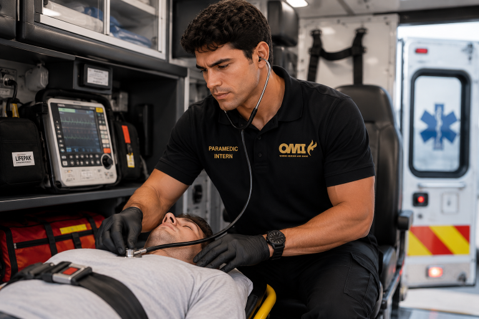
Emergency Medical Technicians are often the first healthcare providers to respond when someone is experiencing a stroke. Their role is critical in the early stages of care.

EMTs are trained to:

Recognize stroke symptoms quickly
Perform rapid patient assessments
Monitor vital signs
Provide oxygen and supportive care
Transport patients to the appropriate medical facility

Their ability to act quickly helps ensure patients receive the care they need as soon as possible.

Why Stroke Awareness Matters for Future EMT Students

For those considering a career as an Emergency Medical Technician, understanding stroke warning signs is a key part of training. EMTs must be able to identify symptoms, prioritize care, and respond under pressure.

This knowledge is not only important for exams and certification but also for real-life situations where quick decisions can save lives.

EMT Training at Orlando Medical Institute

For students in Orlando interested in entering the healthcare field, Orlando Medical Institute offers an Emergency Medical Technician training program designed to prepare students for real-world emergency situations.

Students learn how to recognize critical symptoms such as stroke warning signs and respond effectively in high-pressure environments. The program combines classroom instruction with hands-on training to help students build both knowledge and confidence.

Upon successful completion, graduates are eligible to take examinations for certification as a Florida State Emergency Medical Technician and a Nationally Registered EMT.

Program Overview

The EMT program at Orlando Medical Institute includes a balanced combination of classroom learning and practical experience.

176 hours of classroom instruction
52 hours of laboratory training
72 hours of hands-on learning
300 total training hours

Applicants must be at least 18 years old, have a high school diploma or GED, and complete the required admissions assessment.

Flexible scheduling options are available, including day, evening, and weekend classes.

Start Your EMT Training in Orlando

Recognizing stroke warning signs and knowing when to call 911 can save lives. EMTs play a vital role in responding to these emergencies and providing immediate care during critical moments.

If you are ready to build the skills needed to respond to medical emergencies and start a meaningful career in healthcare, enroll in the Emergency Medical Technician training program at Orlando Medical Institute in Orlando, Florida and take the first step toward becoming a certified EMT.

Let's Get It Started

Fill out this form and one of Orlando Medical Institute advisors will contact you to answer any questions.