
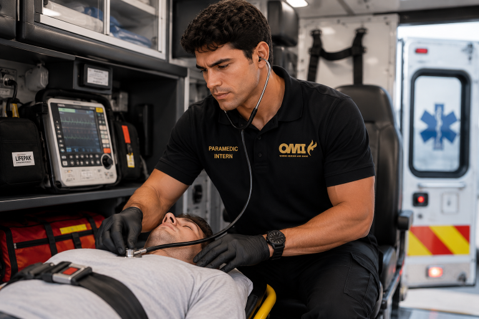
Understanding the EMS Staffing Challenge
Emergency Medical Services (EMS) are a critical part of the healthcare system, providing immediate medical assistance to people experiencing injuries, sudden illnesses, and other emergencies. However, staffing challenges and employee turnover continue to create concerns for EMS agencies across the United States. Both private ambulance companies and municipal emergency services must find ways to recruit qualified professionals, retain experienced employees, and maintain reliable emergency response capabilities.
High turnover in EMS can affect more than an agency’s hiring process. When experienced EMTs and paramedics leave, organizations may face increased recruitment costs, greater training demands, scheduling difficulties, and added pressure on the employees who remain. These challenges can also affect continuity, workplace morale, and an agency’s ability to maintain consistent service levels.
For individuals considering a career in emergency medical services, understanding EMS staffing trends provides valuable insight into the realities of the profession. It also highlights why quality EMT education, professional development, and supportive working environments are important to the future of emergency response.

Why Is EMS Experiencing High Employee Turnover?
EMS professionals work in demanding environments where quick decisions, physical stamina, effective communication, and strong clinical skills are essential. While many people enter the profession because they want to help others, the daily realities of emergency response can make long-term retention challenging.
Several factors can contribute to high EMS turnover.
Long Shifts and Physically Demanding Work
EMTs and paramedics may work extended shifts, overnight hours, weekends, and holidays. Depending on the agency and assignment, employees may experience unpredictable workloads and limited opportunities for uninterrupted rest.
Repeated lifting, moving patients, working in difficult weather conditions, and responding to physically demanding scenes can also contribute to fatigue.
When employees struggle to maintain a healthy balance between work and personal responsibilities, they may seek positions with more predictable schedules or different working conditions.
Emotional Stress and Exposure to Traumatic Events
Emergency responders regularly encounter serious injuries, medical emergencies, accidents, and situations involving loss of life. Repeated exposure to these events can contribute to emotional exhaustion and occupational stress.
The impact of these experiences varies from person to person. Access to supportive supervisors, peer support, mental health resources, and appropriate recovery time can help employees manage the demands of the profession.
Agencies that overlook employee well-being may have greater difficulty maintaining a healthy and sustainable workforce.
Compensation and Career Advancement
Pay, benefits, and opportunities for advancement can influence whether EMS professionals remain with an employer. In some markets, employees may find opportunities in other healthcare settings that offer different schedules, compensation structures, or career pathways.
EMTs may also pursue additional education to become paramedics, nurses, or other healthcare professionals. These transitions can reflect career growth rather than dissatisfaction with EMS itself.
For employers, the challenge is to create opportunities for employees to develop professionally while maintaining a stable and experienced workforce.
Limited Recognition and Workplace Support
Employees are more likely to feel invested in their work when they receive constructive feedback, appropriate supervision, and recognition for their contributions.
When staff members feel overlooked or believe their concerns are not addressed, workplace satisfaction may decline. Poor communication, inconsistent scheduling, and limited opportunities to provide feedback can further affect morale.
Strong leadership and clear communication are important parts of employee retention. EMS professionals need to know that their safety, development, and contributions matter to the organizations they serve.
How High Turnover Affects Private and Municipal EMS Services
Although private ambulance companies and municipal EMS agencies share the responsibility of delivering emergency medical care, their operational structures can differ. These differences influence how each type of organization experiences and responds to staffing shortages.
Staffing Challenges in Private Ambulance Companies
Private EMS providers may operate under contracts with healthcare facilities, local governments, or other organizations. Their responsibilities can include emergency responses, interfacility patient transfers, and scheduled medical transportation, depending on the company and its service agreements.
When turnover increases, private providers may need to devote additional resources to recruiting, onboarding, and training new employees. They must also maintain sufficient staffing to meet contractual obligations and operational requirements.
Potential challenges include:
- Increased recruitment and training expenses.
- Difficulty filling shifts and maintaining consistent schedules.
- Greater workloads for existing employees.
- Loss of experienced personnel and institutional knowledge.
- Operational disruptions when staffing levels become insufficient.
For companies that depend on reliable coverage across multiple shifts, retaining qualified employees can be essential to maintaining service continuity.
Staffing Challenges in Municipal EMS Agencies
Municipal EMS services are operated by local governments or public agencies, sometimes through fire departments or other public safety organizations. Their responsibilities may include responding to 911 calls, supporting disaster response, and coordinating with hospitals, dispatch centers, and other emergency services.
When municipal EMS agencies experience high turnover, they may face difficulties maintaining staffing across stations, shifts, or service areas. Depending on available resources, agencies may need to adjust schedules, authorize overtime, or modify how units are deployed.
These pressures can affect employee morale and place additional demands on experienced personnel.
Municipal agencies may also face budgetary and hiring constraints that influence how quickly they can fill vacant positions. Even when funding is available, recruiting and preparing qualified emergency medical professionals takes time.
What Both Systems Have in Common
Private and municipal EMS organizations depend on trained professionals who can provide appropriate care, communicate effectively, and work safely under pressure.
Both can benefit from competitive employment practices, supportive leadership, ongoing education, employee wellness resources, and clear opportunities for career development.
Reducing turnover is not simply about filling vacancies. It involves creating conditions in which employees can build sustainable careers while agencies continue delivering dependable emergency medical services.
How EMS Turnover Can Affect Patient Care
Staffing stability is important because emergency medical services operate in time-sensitive environments. When agencies struggle to maintain adequate staffing, the effects may extend beyond internal operations.
One concern is the additional pressure placed on employees who remain. Repeated overtime and demanding schedules can contribute to fatigue, which may make it more difficult to maintain concentration and manage workplace stress.
Staffing gaps can also limit operational flexibility. Depending on the severity of the shortage and the resources available, agencies may have fewer options for covering simultaneous emergencies, accommodating scheduled transfers, or maintaining normal unit availability.
Another consideration is the loss of experience. Veteran EMTs and paramedics often develop practical knowledge of local response procedures, communication systems, and effective teamwork. When experienced employees leave, agencies must invest time in helping new staff develop similar familiarity.
These outcomes are not inevitable whenever an employee leaves. Well-managed agencies can use training, supervision, workforce planning, and appropriate staffing procedures to reduce disruptions. However, persistent turnover can make maintaining consistent service more difficult.
For patients and communities, a stable and well-supported EMS workforce is an important part of a dependable emergency response system.
Strategies for Improving EMS Recruitment and Retention
Addressing high turnover requires more than recruiting additional EMTs. Agencies must also examine why employees leave and identify practical ways to improve their working conditions.
1. Invest in Employee Wellness
EMS organizations can strengthen retention by providing access to mental health resources, peer support, and education about managing occupational stress.
Supervisors should recognize the emotional demands of emergency response and make it easier for employees to seek assistance without unnecessary stigma.
Wellness initiatives are most effective when they complement reasonable workloads, appropriate rest opportunities, and other organizational measures that support employee health.
2. Provide Clear Career Development Opportunities
Employees may be more likely to remain with an organization when they understand how they can advance professionally.
Agencies can support career development through continuing education, mentoring, additional certifications where applicable, and clearly defined advancement opportunities.
For EMTs interested in becoming paramedics or pursuing other healthcare careers, guidance about educational pathways can help them plan their next steps.
3. Strengthen Training and Mentorship
New employees need time and guidance to develop confidence in the field. Structured onboarding and mentorship can help new EMTs understand workplace expectations, operational procedures, and team communication.
Experienced employees can also benefit from continuing education that reinforces clinical knowledge and introduces updated practices.
Investing in professional development helps organizations maintain skills while showing employees that their growth is valued.
4. Improve Scheduling and Workload Management
Agencies should regularly review staffing patterns, overtime demands, and scheduling practices. Predictable schedules and appropriate opportunities for rest can help employees manage the physical and personal demands of the job.
Workforce planning should account for seasonal changes in demand, employee absences, and the time needed to train new hires.
Although staffing needs vary by agency, planning ahead can reduce the pressure associated with last-minute vacancies.
5. Build a Supportive Workplace Culture
Respectful communication, fair policies, constructive feedback, and responsive leadership can influence employee satisfaction.
Agencies can gather feedback from staff, examine recurring concerns, and communicate how leadership plans to address them. Employees who feel heard may be more willing to remain engaged with their organizations.
A supportive culture does not eliminate the challenges of emergency response, but it can help employees navigate those challenges as part of a team.
What EMS Staffing Trends Mean for Future EMTs
For students considering EMT training, discussions about workforce shortages and high turnover can raise important questions about entering the profession.
EMS can offer opportunities to develop clinical skills, work as part of a healthcare team, and provide assistance during some of the most difficult moments in people’s lives. At the same time, it is important for prospective students to understand the demands of emergency response and consider the working conditions, schedules, and career opportunities associated with different employers.
Before accepting a position, aspiring EMTs can research prospective agencies, ask about training and mentorship, and learn about scheduling expectations, compensation, benefits, and opportunities for advancement.
Students should also understand that completing EMT training is a starting point. Building a successful career requires continued learning, professional accountability, effective communication, and a commitment to patient care.
A strong educational foundation can help future EMTs enter the workforce with a better understanding of their responsibilities and the skills needed to contribute to an emergency response team.
The Importance of EMT Education in Orlando, Florida
As communities across Florida depend on emergency medical services, preparing qualified entry-level professionals remains an important part of supporting the healthcare workforce.
Orlando Medical Institute (OMI) offers an Emergency Medical Technician (EMT) training program in Orlando, Florida, for individuals interested in beginning a career in emergency medical services.
OMI’s program combines classroom instruction, hands-on laboratory exercises, high-fidelity simulations, clinical rotations, and real-world field experience. This comprehensive approach helps students develop an understanding of illness and injury recognition, emergency medical interventions, and decision-making in critical situations.
The EMT program includes 300 total training hours:
- 176 hours of classroom instruction.
- 52 hours of laboratory training.
- 72 hours of hands-on training.
OMI also uses a flipped classroom model. Students review core learning materials independently before participating in interactive classroom activities that reinforce their understanding. This approach provides opportunities to apply concepts, strengthen practical knowledge, and receive constructive feedback from experienced instructors.
Upon successful completion of the program, students are eligible to take the examinations for Florida State Emergency Medical Technician certification and Nationally Registered EMT certification.
Applicants must be at least 18 years old, possess a high school diploma or GED, provide a valid Social Security card and a driver’s license or government-issued photo ID, and complete the required DAX admissions assessment. Additional health documentation, testing, and clinical compliance requirements apply after enrollment before students begin clinical rotations.
OMI offers daytime and evening class options, as well as a Friday evening and Saturday schedule. These options allow prospective students to explore a training schedule that may fit their existing responsibilities.
For individuals in Orlando who want to enter the emergency medical services field, OMI provides an opportunity to begin developing the knowledge and practical skills needed for this important profession.
Take the First Step Toward an EMT Career
High turnover is reshaping the way private ambulance companies and municipal EMS agencies approach recruitment, training, and employee retention. Addressing these challenges requires a combination of effective leadership, supportive workplace practices, career development, and quality education.
For aspiring EMTs, understanding the state of EMS staffing can provide a realistic perspective on the profession and the importance of building a strong foundation before entering the workforce.
If you are interested in helping patients, supporting emergency response teams, and pursuing a career in healthcare, consider exploring EMT training at Orlando Medical Institute.
Contact OMI to learn more about its EMT program in Orlando, Florida, including admissions requirements, training hours, and available class schedules. Your path toward a career in emergency medical services can begin with the right education and a commitment to making a difference in your community.
