
Sudden dizziness can be unsettling, especially when it happens without warning. A person may suddenly feel lightheaded, unsteady, weak, or as though the room is spinning. While dizziness can sometimes have a simple explanation, sudden or severe dizziness can also be a sign of a medical emergency.
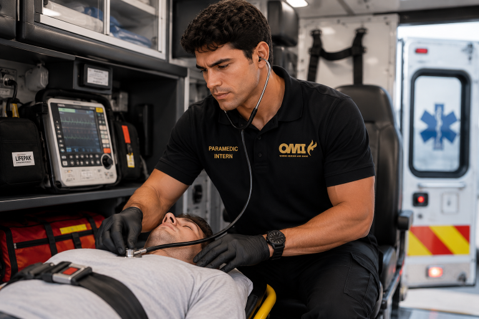
Understanding what can cause dizziness suddenly is important for everyone, but it is especially valuable for people interested in emergency medical services. EMTs are often among the first healthcare professionals to evaluate a person experiencing sudden dizziness. Learning how to recognize concerning symptoms and assess a patient’s condition is an important part of EMT training.

What Does Dizziness Feel Like?
Dizziness can describe several different sensations. Someone experiencing dizziness may feel:
- Lightheaded or faint
- Unsteady while standing or walking
- Like the room is spinning
- Weak or off balance
- Disoriented
- As though they may lose consciousness
The sensation a person experiences can provide useful information to healthcare professionals. However, dizziness can have many possible causes, so additional symptoms and a patient’s overall condition are important when determining what may be happening.
What Can Cause Dizziness Suddenly?
There are many possible causes of sudden dizziness. Some are relatively minor, while others may require prompt medical attention.
Dehydration
Not getting enough fluids can cause dizziness, particularly after exercise, illness, vomiting, diarrhea, or prolonged exposure to heat.
Dehydration can also contribute to weakness, fatigue, headache, and changes in blood pressure.
Low Blood Sugar
Low blood sugar can cause dizziness or lightheadedness, along with symptoms such as sweating, shakiness, weakness, hunger, or confusion.
This can be particularly important for individuals with diabetes or those taking medications that affect blood sugar.
A Sudden Drop in Blood Pressure
A temporary drop in blood pressure can cause dizziness, particularly when standing up quickly after sitting or lying down. This may make someone feel lightheaded or as though they are about to faint.
Inner Ear Problems
The inner ear plays an important role in balance. Problems affecting the inner ear can cause vertigo, a sensation that the person or their surroundings are spinning. Inner ear conditions can sometimes cause sudden dizziness, nausea, and difficulty maintaining balance.
Medication Effects
Certain medications may cause dizziness, drowsiness, or changes in blood pressure. A new medication, dosage change, or combination of medications may contribute to sudden symptoms.
Anyone experiencing unexplained or persistent dizziness should discuss possible medication-related causes with a healthcare professional.
Heat Exposure
Spending too much time in hot or humid conditions can contribute to dehydration and heat-related illness. Dizziness may occur alongside heavy sweating, weakness, headache, nausea, or other symptoms.
This is particularly relevant in Florida, where high temperatures can increase the risk of heat-related health problems.
Anxiety or Stress
Strong emotional stress or anxiety can sometimes cause dizziness or lightheadedness. Rapid breathing during periods of anxiety may also contribute to these sensations.
However, dizziness should not automatically be attributed to anxiety, particularly when it is sudden, severe, or accompanied by other concerning symptoms.
When Is Sudden Dizziness an Emergency?
Sudden dizziness can sometimes indicate a serious medical condition. Call 911 if dizziness occurs with concerning symptoms such as:
- Difficulty speaking or understanding speech
- Sudden weakness or numbness, especially on one side of the body
- Severe difficulty walking or maintaining balance
- Loss of consciousness
- Severe or sudden headache
- Chest pain
- Difficulty breathing
- Significant confusion
- New vision problems
- Seizure
- Persistent vomiting
- A sudden change in mental status
These symptoms can occur with serious conditions, including stroke and other medical emergencies. Do not wait for symptoms to become worse before seeking emergency assistance.
If someone is experiencing sudden dizziness along with signs of a possible stroke, remember the importance of acting quickly. Emergency responders can begin assessing the patient and provide appropriate care while arranging transportation to a medical facility.
What Should You Do If Someone Becomes Suddenly Dizzy?
If someone suddenly becomes dizzy, encourage them to sit or lie down in a safe location to reduce the risk of falling.
Avoid allowing the person to drive themselves if they are severely dizzy, confused, weak, or experiencing other concerning symptoms.
Pay attention to what happened before the dizziness began and whether other symptoms developed. If the symptoms are severe, sudden, worsening, or accompanied by emergency warning signs, call 911.
When speaking with emergency dispatchers, provide as much information as possible about the person’s symptoms and condition. Follow the dispatcher’s instructions while waiting for emergency responders.
How EMTs Evaluate Sudden Dizziness
When an EMT arrives to evaluate a person experiencing sudden dizziness, the first priority is determining the patient’s immediate condition.
EMTs may assess the patient’s responsiveness, breathing, circulation, and vital signs. They may also ask questions about the symptoms, when they started, what the person was doing when they began, medical history, medications, and any other symptoms.
For example, an EMT may want to determine whether the patient experienced:
- Dizziness while standing
- A spinning sensation
- Fainting or near-fainting
- Weakness or numbness
- Chest discomfort
- Difficulty breathing
- Changes in speech or vision
- Nausea or vomiting
- A recent illness or injury
This information can help emergency responders identify potential causes and determine the appropriate next steps.
Why Patient Assessment Matters for EMTs
Sudden dizziness is a good example of why EMTs need strong patient assessment skills. A single symptom can have many possible causes, and emergency responders must consider the patient’s entire presentation.
EMTs learn to observe patients carefully, gather relevant information, recognize potentially serious symptoms, monitor vital signs, and provide appropriate emergency care within their scope of practice.
Developing these skills requires more than classroom instruction. EMT students benefit from hands-on practice and realistic emergency scenarios that allow them to apply what they have learned.
EMT Training at Orlando Medical Institute
For students interested in becoming an EMT in Orlando, Florida, Orlando Medical Institute offers Emergency Medical Technician training designed to prepare students for the responsibilities of emergency medical care.
The program combines classroom instruction, hands-on laboratory exercises, high-fidelity simulations, clinical rotations, and real-world field experience. This approach allows students to build knowledge while developing practical skills that can be applied to emergency situations.
The EMT program includes 300 total hours of training, including classroom, laboratory, and hands-on components. Upon successful completion of the program, students will be eligible to take examinations for certification as a Florida State Emergency Medical Technician and Nationally Registered EMT.
Orlando Medical Institute’s program is designed for individuals who want to develop a strong foundation in emergency medical services and prepare for a career where patient assessment, communication, and quick decision-making are important.
Start Your EMT Career in Orlando
Knowing what can cause dizziness suddenly is useful for recognizing when someone may need medical attention. For future EMTs, understanding symptoms is only the beginning. Emergency medical professionals must learn how to assess patients, recognize warning signs, remain calm, and respond appropriately.
If you are considering a career in emergency medical services, EMT training can provide the foundation needed to begin developing these skills.
Orlando Medical Institute offers EMT training in Orlando, Florida for students ready to pursue a career in emergency medical services. Contact Orlando Medical Institute to learn more about the program, admissions requirements, and how to get started.
