
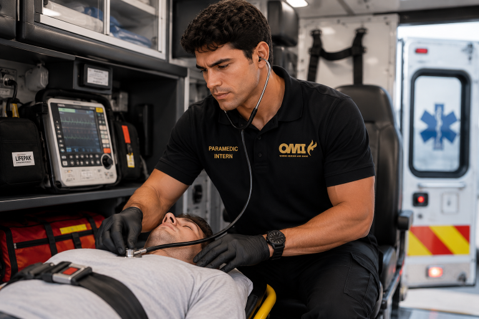
Emergency Medical Technicians are on the front lines of healthcare, responding to emergencies and providing critical care when it matters most. If you are considering a career in emergency medical services, you may be wondering what skills you need to be a successful EMT.
While technical medical knowledge is essential, the most effective EMTs also develop strong personal and practical skills that help them perform under pressure and deliver high-quality patient care.

Why Skills Matter in EMT Careers
EMTs work in fast-paced and unpredictable environments. They may respond to car accidents, medical emergencies, or traumatic injuries, often with little time to prepare. Because of this, success as an EMT depends on a combination of clinical abilities, decision-making, and interpersonal skills.
Developing these skills during training is key to becoming confident and effective in the field.
Essential Skills Every EMT Needs
Strong Communication Skills
Clear communication is critical in emergency situations. EMTs must be able to:
Gather accurate information from patients
Explain procedures and provide reassurance
Communicate with team members and hospital staff
Good communication helps ensure patients receive the right care quickly and safely.
Critical Thinking and Problem Solving
Every emergency is different. EMTs must assess situations quickly and make decisions based on the information available.
This includes:
Identifying life-threatening conditions
Prioritizing care
Adapting to changing circumstances
Strong critical thinking skills allow EMTs to act confidently in high-pressure situations.
Physical Stamina and Strength
The job of an EMT is physically demanding. EMTs often need to lift patients, carry equipment, and work long shifts.
Physical stamina is important for:
Transporting patients safely
Performing repetitive tasks
Staying alert during extended shifts
Being physically prepared helps EMTs perform their duties effectively and safely.
Emotional Resilience
EMTs frequently encounter stressful and emotional situations. They must remain calm and focused while providing care.
Emotional resilience allows EMTs to:
Handle high-stress environments
Support patients and families during emergencies
Maintain professionalism in difficult situations
This skill is essential for long-term success in the field.
Attention to Detail
In emergency medical care, small details can make a big difference. EMTs must carefully monitor patient conditions and follow procedures accurately.
Attention to detail helps with:
Recording patient information
Administering treatments correctly
Recognizing subtle changes in symptoms
Accuracy is critical in providing effective care.
Teamwork and Collaboration
EMTs work closely with other emergency responders, including paramedics, firefighters, and hospital staff.
Being a strong team player involves:
Coordinating with others during emergencies
Supporting team members
Communicating clearly under pressure
Effective teamwork ensures better patient outcomes.
Technical and Medical Skills
EMTs must also develop hands-on medical skills, including:
Performing patient assessments
Managing airways and breathing
Providing basic life support
Using emergency medical equipment
These technical skills are taught and practiced throughout EMT training programs.
How EMT Training Helps You Build These Skills
While some skills may come naturally, most are developed through education and hands-on training. EMT programs are designed to help students build both the technical and personal abilities needed for success.
Students gain experience through:
Classroom instruction that teaches medical knowledge
Skills labs that provide hands-on practice
Simulation exercises that recreate real emergencies
Clinical rotations that offer real-world exposure
This combination helps students become well-rounded and prepared for the demands of emergency medical services.
EMT Training at Orlando Medical Institute
For students in Orlando who want to pursue a career as an Emergency Medical Technician, Orlando Medical Institute offers a comprehensive EMT training program focused on building essential skills for success.
Students are guided by experienced instructors who are committed to helping them develop confidence, critical thinking, and hands-on abilities. The program prepares students to recognize and respond to a wide range of medical emergencies.
A modern learning approach, including a flipped classroom model, allows students to learn foundational material at their own pace while focusing on practical application during class time.
Program Overview
The EMT program provides a structured combination of instruction and hands-on experience.
176 hours of classroom instruction
52 hours of laboratory training
72 hours of hands-on learning
300 total training hours
To enroll, students must be at least 18 years old, have a high school diploma or GED, and complete the required admissions assessment.
Flexible scheduling options are available, including day, evening, and weekend classes.
Start Building the Skills to Become an EMT
Becoming a successful EMT requires a combination of knowledge, practical skills, and personal strengths. With the right training, you can develop the abilities needed to respond to emergencies and make a real difference in people’s lives.
If you are ready to start building these essential skills and begin a rewarding career in healthcare, enroll in the Emergency Medical Technician training program at Orlando Medical Institute in Orlando, Florida and take the first step toward becoming a certified EMT.
