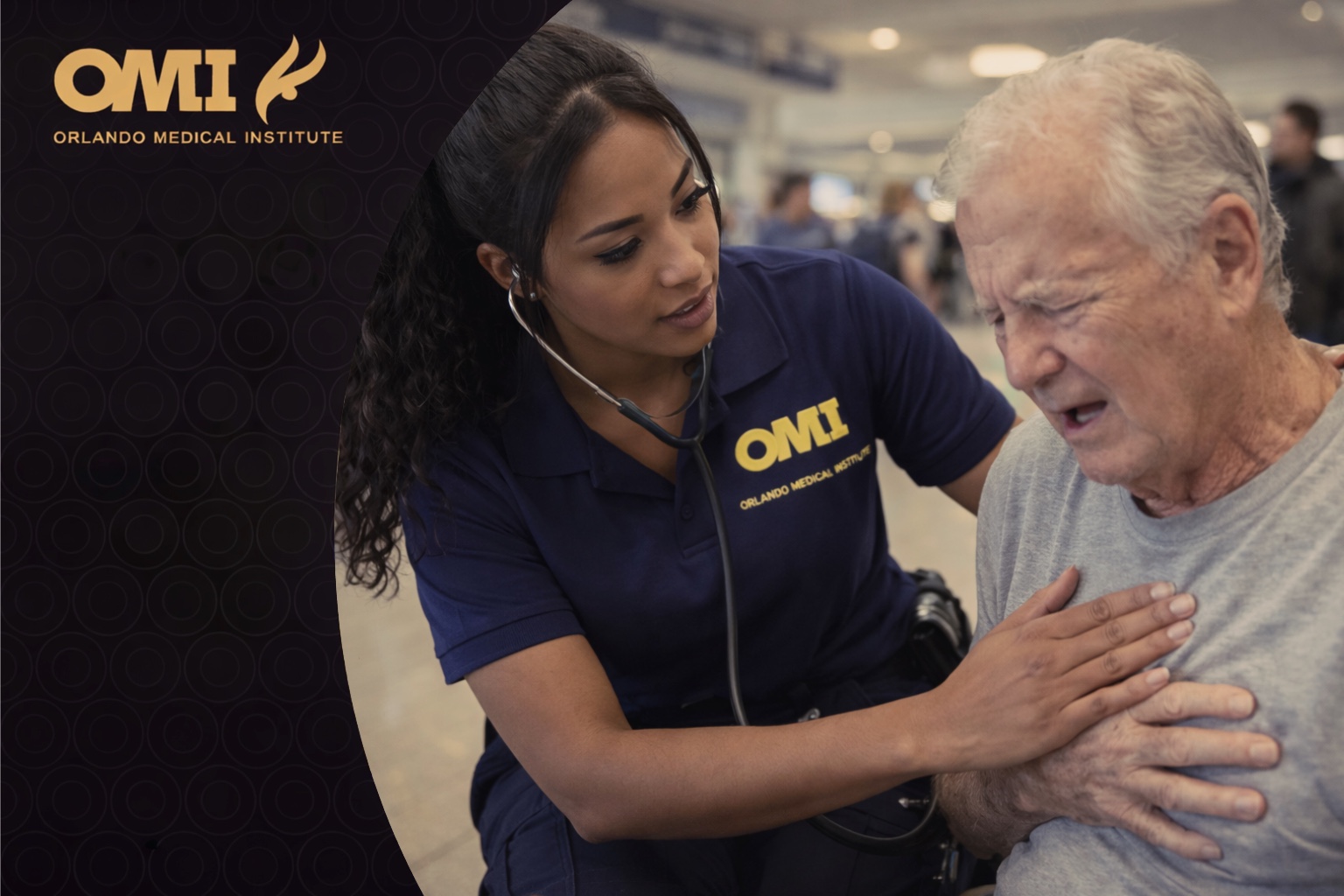
Chest tightness is a common symptom that many people experience at some point in their lives. While it can sometimes be caused by minor issues such as stress or muscle strain, it can also be a warning sign of a serious medical emergency. Understanding when chest tightness is dangerous is critical for both the general public and those considering a career in emergency medical services.

For prospective EMT students, recognizing high-risk symptoms like chest tightness is a key part of learning how to assess and respond to medical emergencies.
What Does Chest Tightness Feel Like?

Chest tightness can feel different depending on the cause. Some people describe it as:

Pressure or squeezing in the chest
A heavy or full sensation
Sharp or burning pain
Discomfort that spreads to the arms, neck, jaw, or back

Because symptoms can vary, it is important to take any unusual chest discomfort seriously, especially if it occurs suddenly or without a clear cause.

When Is Chest Tightness Dangerous?

Chest tightness becomes dangerous when it may be linked to life-threatening conditions. In emergency medicine, certain warning signs indicate the need for immediate medical attention.

Signs Chest Tightness May Be an Emergency

Chest tightness may be dangerous if it is accompanied by:

Shortness of breath
Dizziness or lightheadedness
Nausea or vomiting
Sweating
Pain spreading to the arm, jaw, or back
Rapid or irregular heartbeat
Loss of consciousness

These symptoms may indicate a serious condition such as a heart attack or other cardiovascular emergency.

Possible Life-Threatening Causes

EMTs are trained to consider several critical conditions when a patient reports chest tightness. These may include:

Heart attack
Pulmonary embolism
Collapsed lung
Severe asthma attack
Aortic dissection

Each of these conditions requires rapid assessment and immediate medical intervention.

When Chest Tightness May Be Less Serious

Not all chest tightness is life-threatening. In some cases, it may be caused by:

Anxiety or panic attacks
Muscle strain
Acid reflux or digestive issues
Mild respiratory infections

However, it is important to remember that it can be difficult to distinguish between serious and non-serious causes without proper medical evaluation. When in doubt, seeking emergency care is always the safest option.

How EMTs Respond to Chest Tightness

Emergency Medical Technicians are trained to quickly assess patients who report chest tightness and determine the severity of the situation. Their response typically includes:

Performing a primary patient assessment
Monitoring vital signs such as heart rate and oxygen levels
Administering oxygen if needed
Providing basic life support interventions
Transporting the patient to a medical facility

EMTs must act quickly and efficiently because early intervention can significantly improve patient outcomes in cardiac emergencies.

Why This Matters for Future EMT Students

Learning to recognize when chest tightness is dangerous is a fundamental part of EMT training. Students are taught how to identify signs of serious illness, prioritize care, and make quick decisions under pressure.

These skills are essential for anyone pursuing a career in emergency medical services. EMTs are often the first point of contact in medical emergencies, and their ability to respond appropriately can save lives.

EMT Training at Orlando Medical Institute

For students interested in becoming Emergency Medical Technicians in Orlando, Orlando Medical Institute offers a comprehensive training program designed to prepare graduates for real-world emergency situations.

Students are taught how to assess symptoms like chest tightness, recognize life-threatening conditions, and provide immediate care. The program combines classroom instruction with hands-on training to ensure students develop both knowledge and practical skills.

Upon successful completion of the program, students are eligible to take examinations for certification as a Florida State Emergency Medical Technician and a Nationally Registered EMT.

Program Overview

The EMT program at Orlando Medical Institute includes a balanced combination of instruction and hands-on experience.

176 hours of classroom instruction
52 hours of laboratory training
72 hours of hands-on learning
300 total training hours

Applicants must be at least 18 years old, have a high school diploma or GED, and complete the required admissions assessment.

Flexible class schedules are available to accommodate different student needs, including day, evening, and weekend options.

Start Your EMT Training in Orlando

Understanding symptoms like chest tightness and knowing when they are dangerous is a critical part of emergency medical care. EMTs are trained to respond quickly, assess patients accurately, and provide lifesaving interventions during critical moments.

If you are ready to learn how to respond to real medical emergencies and build a career in healthcare, enroll in the Emergency Medical Technician training program at Orlando Medical Institute in Orlando, Florida and take the first step toward becoming a certified EMT.

Let's Get It Started

Fill out this form and one of Orlando Medical Institute advisors will contact you to answer any questions.