
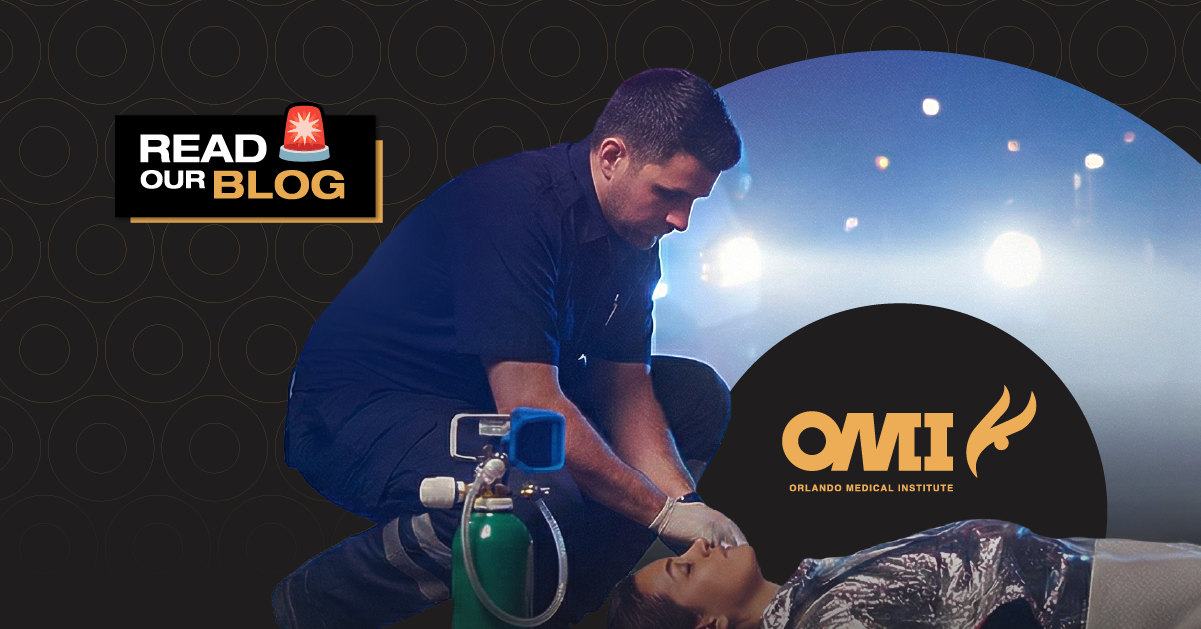
The paramedic is trained to operate in chaos, under pressure, and with limited resources. But there is a particularly frustrating type of emergency: the one that occurs in a public, remote location where failure is not due to the severity of the trauma, but to a chain of “protocol errors” committed by the public in the initial minutes. These minutes, before the EMS crew can arrive, are critical. When the heart stops in a civilian setting, the victim’s life depends on a stranger’s mental protocol. And unfortunately, Hollywood fiction and natural panic often dictate the wrong steps.
For the Emergency Medical Services (EMS) professional, these scenarios are not just clinical cases; they are logistical exercises in how to correct failed public protocol. Here are the three most common environments where people die due to initial management errors and what every paramedic wishes the public would do differently:
Let’s start with the worst logistical scenario: the aerial emergency. When someone collapses mid-flight, the public often assumes the role of the “hero,” but generally commits the most fatal error: failing to use the on-board defibrillator (AED), while waiting for a doctor or nurse . Flight staff ask for volunteers, which creates a debate about experience and a dangerous waste of time. The truth every paramedic knows is that modern AEDs are designed to be used by anyone and provide step-by-step vocal instructions. Early defibrillation nullifies the hierarchy: the first minute must be spent securing the AED and applying the pads, not debating who has more experience. (1)
Another deadly logistical maze is The Mall or Stadium. In these environments, the real emergency is not clinical, it is logistical. The patient dies not from the trauma, but from the public’s inability to direct the paramedic. When calling 911 from these locations, people only give the building’s name. The ambulance’s GPS takes them to the main door, but not to the exact location within the structure (food court, sporting goods store, restroom). The paramedic loses 3 to 5 vital minutes navigating stairs, crowds, and corridors. The logistical hack is simple and crucial: Give static and coded references. Say: “We are on Level Two, near [Brand Name] store and [Door Number/Letter] entrance.” A paramedic with advanced training in disaster management knows these blind spots and trains personnel in the use of internal emergency reference systems. (2)
Finally, The Gym presents a trap due to over-stimulation. These are high-risk zones for cardiac events and heat collapse. (3) The panic of the environment full of loud music and crowds leads to catastrophic errors. People crowd around the victim, shout, move the body, or give them water. The worst mistake is assuming the collapse is due to “exhaustion” and not a cardiac emergency or heatstroke. The scene control hack is silence and space. The first person on scene should clear a 10-foot circle, turn off the music, and assign one calm person to find help. The second hack is Emergency Differentiation: If someone is disoriented, heavily sweating, and then suddenly stops sweating, it is Heatstroke (a cooling emergency). If they collapse without warning, it is likely a Cardiac Event (an AED/CPR emergency).
The Reinvention of Leadership: The AS Degree as the Public Protocol Corrector
The reality is that in civilian settings, the public often becomes the first link in the chain of survival — yet that link is frequently weakened by myths and a lack of proper training. This is where the Associate of Science in Emergency Medical Services (EMS) program at Orlando Medical Institute (OMI) becomes vital. It’s not just about saving lives in the field — it’s about transforming how communities respond to emergencies.
The AS Degree is the credential that elevates you from being the best responder to being the protocol architect. The coursework in an AS Degree shifts you from applying technique to managing logistics, strategic communication, and public education. A paramedic with this level of education understands that their role includes the power and authority to:
- Design Educational Programs: Create outreach campaigns that debunk myths (like the flatline AED myth) and teach the correct 911 calling protocol for public centers, elevating public knowledge.
- Lead Technology Integration: Work with airlines, gyms, or mall administrators to ensure the correct placement, maintenance, and use of AEDs, correcting the public’s hierarchy error.
- Manage the Staffing Crisis: Understand burnout and high turnover as a systemic problem that requires Human Resources (HR) solutions, not just personal resilience, using street experience to create structural policies.
The ability to maintain calm in chaos is innate to the paramedic, but the power to fix the systemic failures that cause these preventable deaths lies in higher education. The AS Degree in EMS is not an advancement requirement; it is the mandate of the new era for professionals who are tired of being victims of others’ failed protocols. It is the investment that converts your street experience into administrative authority to save lives through policy and leadership, ensuring that valuable minutes are never lost due to a human GPS error.
- Nable, J. V., Tupe, C. L., Gehle, B. D., & Brady, W. J. (2015). In-Flight Medical Emergencies during Commercial Travel. New England Journal of Medicine, 373(10), 939–945. https://doi.org/10.1056/nejmra1409213
- Drennan, I. R., Strum, R. P., Byers, A., Buick, J. E., Lin, S., Cheskes, S., Hu, S., & Morrison, L. J. (2016). Out-of-hospital cardiac arrest in high-rise buildings: delays to patient care and effect on survival. Canadian Medical Association Journal, 188(6), 413–419. https://doi.org/10.1503/cmaj.150544
- Casa, D. J., Guskiewicz, K. M., Anderson, S. A., Courson, R. W., Heck, J. F., Jimenez, C. C., McDermott, B. P., Miller, M. G., Stearns, R. L., Swartz, E. E., & Walsh, K. M. (2012). National Athletic Trainers’ Association Position Statement: Preventing Sudden Death in Sports. Journal of Athletic Training, 47(1), 96–118. https://doi.org/10.4085/1062-6050-47.1.96
