
Falls are one of the most common causes of injury among older adults. As people age, changes in balance, strength, vision, medications, and overall health can make it more difficult to remain steady and recover from a loss of balance. Understanding why older adults are at higher risk of falls is important for families, caregivers, healthcare professionals, and anyone interested in emergency medical services.
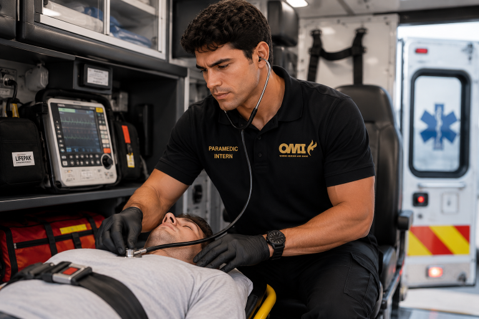
For Emergency Medical Technicians (EMTs), responding to falls requires more than simply helping someone get back on their feet. An EMT must assess the patient, look for possible injuries, identify factors that may have contributed to the fall, and determine whether additional medical care is necessary.
Why Are Older Adults at Higher Risk of Falls?
Aging can bring physical and medical changes that affect mobility and balance. While growing older does not automatically mean someone will experience frequent falls, several factors can increase the risk.
Changes in Balance and Coordination
Balance can become more difficult with age. Changes in the muscles, joints, nervous system, and inner ear can affect how a person maintains their stability while walking or standing.
Even a small change in balance can become significant when an older adult is navigating stairs, uneven surfaces, or slippery floors.
Decreased Muscle Strength
Muscle strength and flexibility can decline with age, particularly when someone is inactive. Reduced strength in the legs and core can make it harder to maintain balance or catch oneself during a stumble.
Strength also plays an important role in standing up, walking, and changing positions safely.
Vision Changes
Good vision helps people identify obstacles and navigate their surroundings. Age-related vision changes can make it harder to see steps, uneven surfaces, low objects, or changes in flooring.
Poor lighting can make these challenges even more difficult.
Medication Side Effects
Some medications can cause dizziness, drowsiness, weakness, or changes in blood pressure. When medications are combined or dosages change, these effects may become more noticeable.
This is one reason it is important for healthcare professionals to ask patients about the medications they take when evaluating a fall.
Chronic Health Conditions
Certain health conditions can affect mobility, strength, sensation, coordination, or balance. Conditions that affect the nervous system, heart, joints, or muscles may increase an individual’s risk of falling.
An older adult who experiences a sudden or unexplained fall may therefore require an assessment to determine whether an underlying medical issue contributed to the incident.
Common Injuries From Falls in Older Adults
Falls can cause injuries ranging from minor bruises to serious trauma. Common injuries include:
- Bruises and soft tissue injuries
- Cuts and abrasions
- Sprains and strains
- Broken bones
- Head injuries
- Hip injuries
- Back or neck injuries
Older adults may be particularly vulnerable to serious complications from falls. A person may also have an injury without immediately realizing how severe it is.
For this reason, an EMT must carefully evaluate an older adult after a fall rather than assuming that no serious injury occurred simply because the patient is able to communicate or stand.
When Is a Fall an Emergency?
Not every fall requires an ambulance, but certain symptoms should be treated as potential emergencies.
Call 911 when an older adult has experienced a fall accompanied by signs such as:
- Loss of consciousness
- Confusion or a significant change in alertness
- Severe pain
- Difficulty breathing
- Chest pain
- Significant bleeding
- Suspected broken bones
- A serious head injury
- Severe neck or back pain
- Inability to move normally
- New weakness, numbness, or difficulty speaking
A sudden change in mental status or physical ability may also indicate that something more serious occurred before the fall.
When in doubt about a potentially serious injury, it is safer to seek professional medical assistance rather than attempting to move the person unnecessarily.
What Should You Do After an Older Adult Falls?
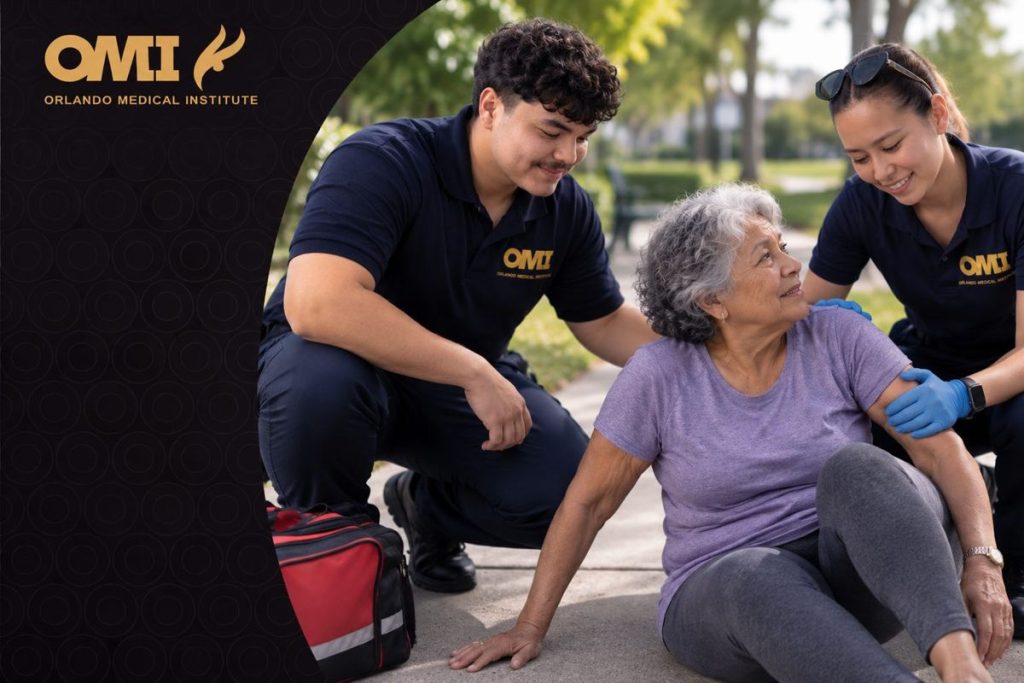
If an older adult falls, avoid immediately pulling them up. Moving someone with a possible head, neck, back, or other serious injury could potentially make the injury worse.
Instead, assess whether they are responsive and breathing normally. If the situation appears serious, call 911 and follow the dispatcher’s instructions while waiting for emergency responders.
If the person is not seriously injured and is able to move safely, they may be able to get up with appropriate assistance. However, a healthcare professional should evaluate unexplained or repeated falls, particularly when there may be an underlying medical cause.
How EMTs Respond to Falls
Falls are an important part of emergency medical response because the visible injury may not tell the entire story.
When EMTs arrive, they begin by assessing the scene and determining whether there are any immediate safety concerns. They then evaluate the patient and gather information about what happened.
An EMT may consider questions such as:
- What caused the person to fall?
- Did they lose consciousness?
- Did they hit their head?
- Are they experiencing pain?
- Can they move normally?
- Do they have any medical conditions?
- What medications do they take?
- Have they experienced similar falls before?
EMTs also evaluate vital signs and look for signs of injury or illness. Based on their assessment, they provide appropriate emergency care and determine whether the patient needs transportation for further evaluation.
This type of patient assessment is an important part of EMT education because emergency responders must learn to recognize both obvious injuries and less apparent medical concerns.
Why Fall Assessment Is an Important EMT Skill
A fall may appear straightforward, but emergency situations can change quickly. An older adult who falls could have experienced a medical event before losing their balance, or they could have sustained an injury that is not immediately obvious.
EMTs therefore need strong observation, communication, and decision-making skills. They must be able to remain calm, gather relevant information, recognize concerning symptoms, and provide appropriate care.
These skills are developed through education and repeated practice. EMT students learn how to approach different emergency scenarios and apply their knowledge to patient assessments.
EMT Training at Orlando Medical Institute
For students interested in becoming an EMT in Orlando, Florida, Orlando Medical Institute provides Emergency Medical Technician training focused on developing the knowledge and practical skills needed in emergency medical care.
The program combines classroom instruction, laboratory exercises, high-fidelity simulations, clinical rotations, and real-world field experience. This approach gives students opportunities to learn about medical emergencies and practice applying their knowledge in realistic situations.
Orlando Medical Institute’s EMT program includes 300 total hours of training, with classroom, laboratory, and hands-on components. Upon successful completion of the program, students will be eligible to take examinations for certification as a Florida State Emergency Medical Technician and Nationally Registered EMT.
Students interested in the program must meet the school’s admissions requirements, which include being at least 18 years old and having a high school diploma or GED, along with completing the required admissions assessment.
Build the Skills to Respond to Real Emergencies
Understanding why older adults are at higher risk of falls is one example of the knowledge that can help future EMTs recognize potential emergencies. Emergency medical professionals must be prepared to respond to patients of different ages and backgrounds while carefully evaluating their symptoms and circumstances.
If you are interested in a healthcare career that combines medical knowledge, hands-on skills, and direct patient care, becoming an EMT may be a path worth exploring.
Orlando Medical Institute offers EMT training in Orlando, Florida, for students ready to begin preparing for a career in emergency medical services. Learn more about the program, admissions requirements, and how you can get started with EMT training.
